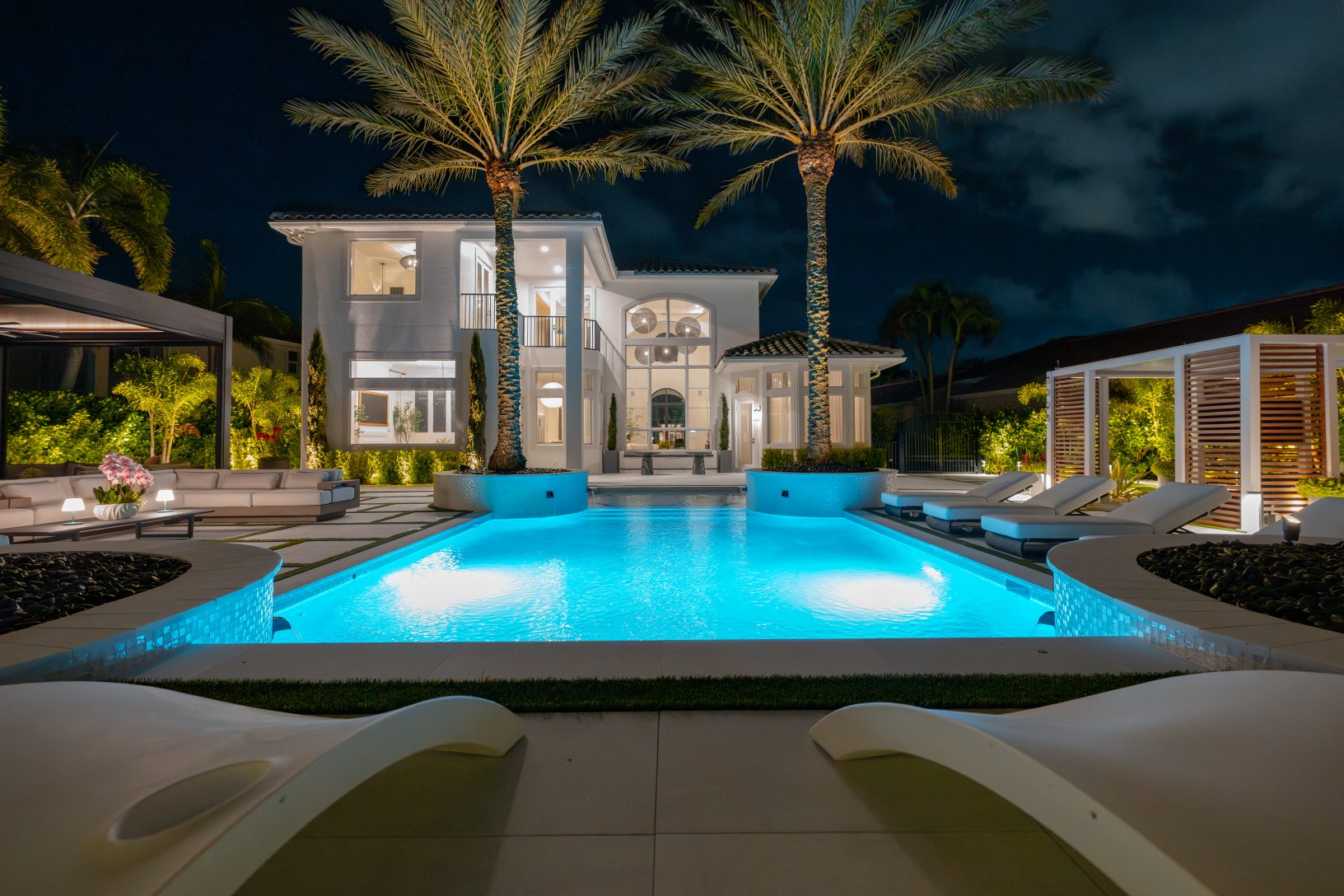
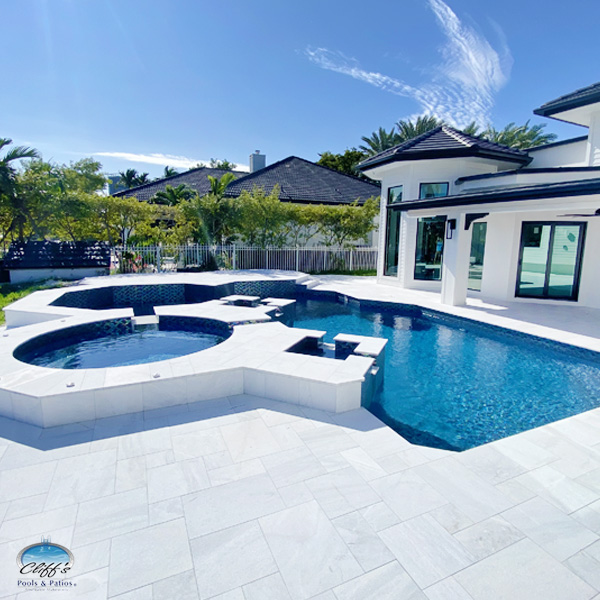
Fort Lauderdale's year-round swimming season makes your backyard pool more than a luxury-it's a lifestyle centerpiece. But after years of South Florida sun, salt air, and daily use, even the best pools show their age. Whether you're dealing with outdated tile, cracked surfaces, or a design that no longer fits your family's needs, a strategic renovation can transform your tired pool into a stunning outdoor retreat.
The key to a successful pool renovation isn't just picking upgrades that look good in photos. It's understanding which improvements deliver lasting value in Fort Lauderdale's unique climate, where intense UV exposure and Atlantic salt air create specific challenges that pools in other regions never face.
This guide covers seven proven strategies that Fort Lauderdale homeowners use to maximize their pool renovation investment, from essential surface upgrades to smart technology additions that make pool ownership easier than ever. Let's explore how to turn your tired pool into the backyard oasis you've been dreaming about.
The Challenge It Solves
Your pool's surface takes a beating in Fort Lauderdale. The combination of intense UV radiation, chemical exposure from daily sanitization, and the corrosive effects of salt air accelerates surface degradation faster than in most other climates. Cracked plaster, rough patches, and discoloration aren't just cosmetic issues-they create places for algae to hide and can lead to structural problems if left unaddressed.
The Strategy Explained
Modern pool resurfacing materials have evolved significantly beyond traditional white plaster. Today's options include pebble finishes, quartz aggregates, and specialized coatings engineered specifically for South Florida conditions. These advanced surfaces resist staining, provide smoother textures, and maintain their appearance far longer than older materials.
Pebble finishes, for instance, incorporate small stones into the surface mixture, creating a naturally textured appearance that hides minor imperfections and provides excellent durability. Quartz surfaces combine crushed quartz with polymer-modified cement for a smooth finish that resists chemical damage and algae growth. Both options typically last 15-20 years in Fort Lauderdale's climate when properly maintained.
Implementation Steps
1. Schedule a professional inspection to assess your current surface condition and identify any underlying structural issues that need addressing before resurfacing.
2. Select a finish material based on your aesthetic preferences, budget, and maintenance commitment-discuss with your contractor which options perform best in salt-air environments.
3. Plan the timing strategically during Fort Lauderdale's drier months (November through April) when lower humidity speeds curing and reduces weather-related complications.
Pro Tips
Don't rush the curing process after resurfacing. New surfaces need proper time to cure before adding water and chemicals. Your contractor should provide specific timing based on the material used and current weather conditions. Also, consider upgrading your pool's waterline tile during resurfacing-it's the most cost-effective time to make this change since the pool is already drained.
The Challenge It Solves
Standard concrete pool decks in Fort Lauderdale face constant assault from UV exposure, temperature fluctuations, and moisture. Over time, concrete develops cracks, becomes slippery when wet, and absorbs heat that makes barefoot walking uncomfortable during summer months. These issues create both safety concerns and aesthetic problems that detract from your pool's overall appearance.
The Strategy Explained
Replacing worn concrete with modern pavers transforms both the functionality and appearance of your pool area. Today's paver options include materials specifically engineered for pool environments-they stay cooler underfoot, provide superior slip resistance when wet, and resist the fading and deterioration that plague concrete in South Florida's climate.
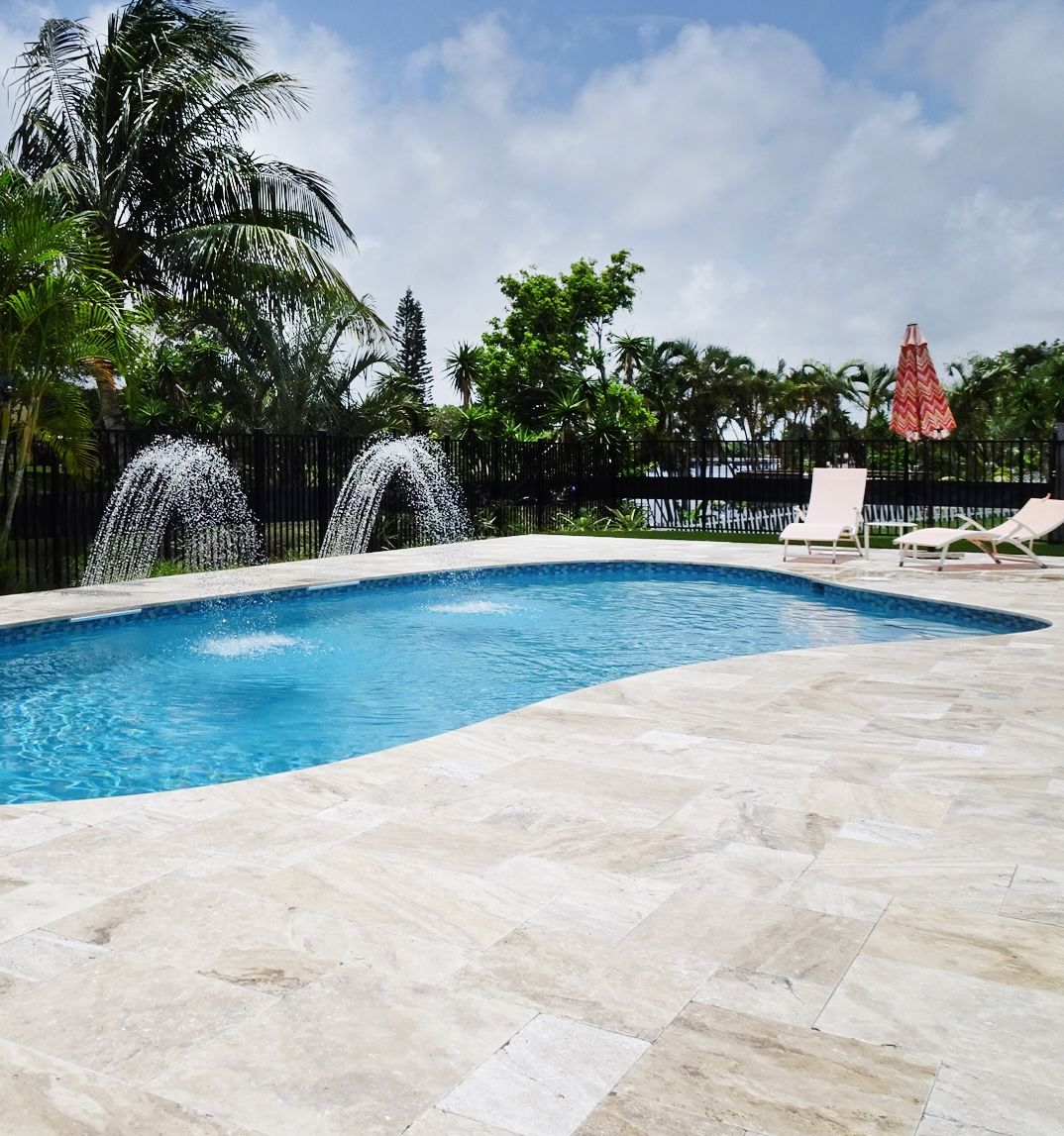
Travertine pavers remain particularly popular in Fort Lauderdale for their natural cooling properties and elegant appearance. Their porous structure prevents heat absorption, keeping surface temperatures significantly lower than concrete or darker materials. Concrete pavers offer another excellent option with extensive color and pattern choices, allowing you to create custom designs that complement your home's architecture.
Implementation Steps
1. Measure your existing deck area and determine how far you want to extend the new surface-many homeowners expand their deck during renovation to create more usable space.
2. Choose paver materials based on your priorities for cooling properties, maintenance requirements, and aesthetic preferences while ensuring they meet slip-resistance standards for pool areas.
3. Work with your contractor to ensure proper drainage slopes away from the pool and incorporate any desired features like built-in planters or seating areas into the deck design.
Pro Tips
Select lighter-colored pavers for Fort Lauderdale installations. Light colors reflect rather than absorb solar radiation, keeping surfaces comfortable for bare feet even during peak afternoon heat. Also, consider permeable paver options that allow water to drain through the surface-they reduce standing water and create a safer deck environment.
The Challenge It Solves
A basic rectangular pool serves its purpose, but it lacks the sensory richness that makes you want to spend time outdoors. Without visual interest and soothing sounds, your pool area might feel utilitarian rather than like the relaxing retreat you envisioned. Water features transform the atmosphere, creating a resort-like environment that enhances both property value and daily enjoyment.
The Strategy Explained
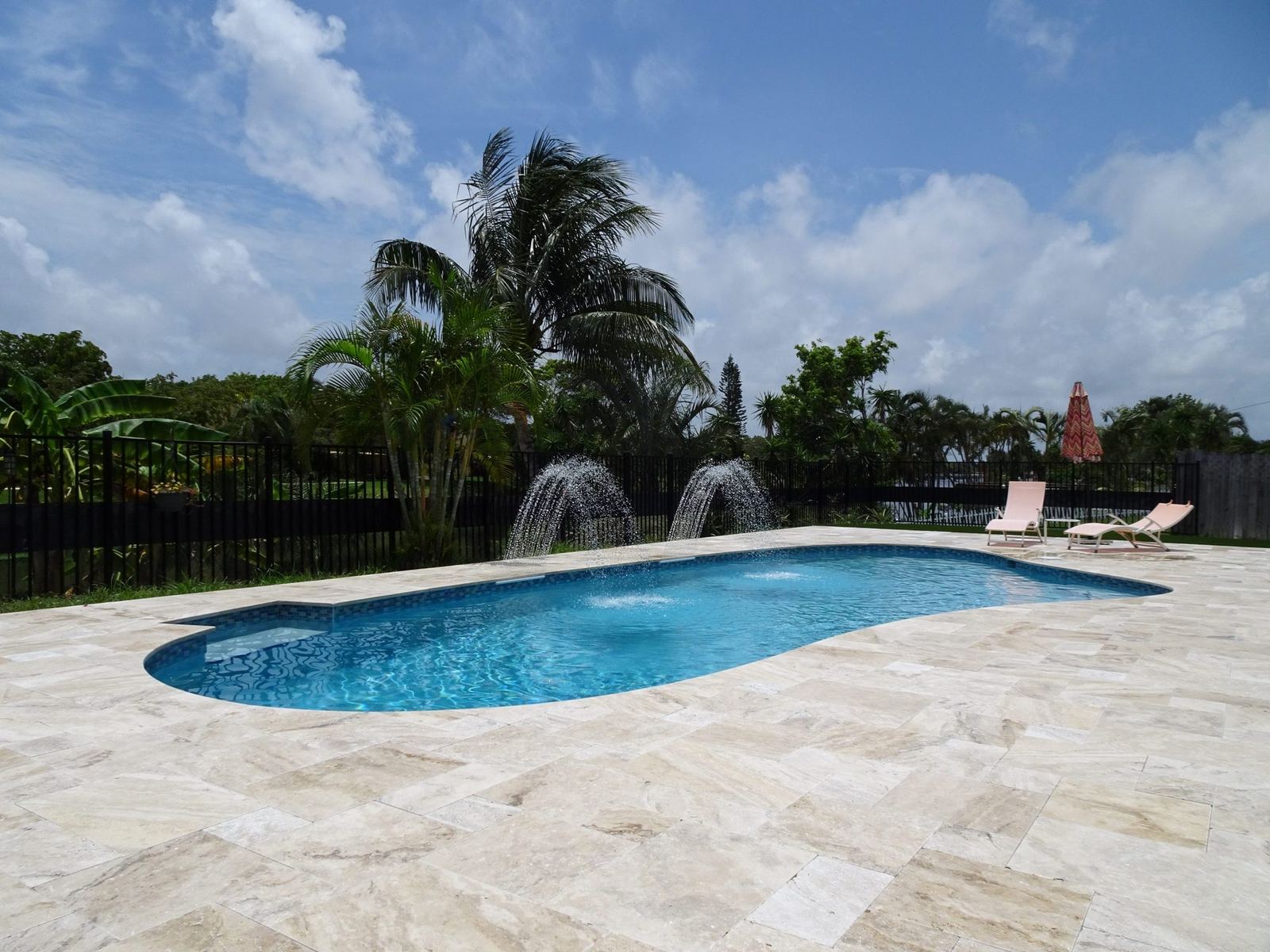
Water features range from simple to elaborate, allowing you to match your budget and aesthetic goals. Spillover spas create a cascading effect into the main pool, adding both visual drama and the relaxing sound of moving water. Deck jets shoot arcs of water across the pool surface, creating playful elements that children love while adding elegant movement. Bubblers and fountains provide vertical water elements that catch light beautifully, especially when combined with LED lighting.
The key is selecting features that complement your pool's existing design rather than appearing tacked on. A naturalistic pool might benefit from rock waterfalls and grottos, while a modern geometric design pairs better with sleek laminar jets or sheer descent waterfalls.
Implementation Steps
1. Evaluate your pool's current plumbing and electrical systems to determine what infrastructure exists for adding water features and what upgrades might be necessary.
2. Select features based on your pool's style, your budget, and how you use your pool-families with young children might prioritize interactive features while couples might prefer subtle, sophisticated options.
3. Coordinate water feature installation with any surface or deck work to minimize disruption and ensure all elements integrate seamlessly into your overall design.
Pro Tips
Consider the maintenance implications of your water feature choices. Features with complex mechanisms or those that create lots of splash require more frequent cleaning and chemical balancing. Start with simpler features if you're concerned about maintenance, and remember that you can always add more elaborate elements in future renovation phases.
The Challenge It Solves
Older incandescent pool lights consume significant energy, generate excessive heat, and require frequent bulb replacements. They typically offer only white light, limiting your ability to create different moods or highlight specific pool features. For Fort Lauderdale homeowners who use their pools year-round, outdated lighting systems represent both an ongoing expense and a missed opportunity for enhanced ambiance.
The Strategy Explained
Modern LED pool lighting systems deliver dramatic improvements in energy efficiency, longevity, and versatility. LED lights consume up to 80% less energy than traditional incandescent bulbs while lasting 10-15 years before requiring replacement. More importantly, programmable LED systems allow you to change colors, create light shows, and adjust brightness levels through smartphone apps or wall-mounted controls.
Beyond the pool itself, LED landscape and deck lighting extends your outdoor living space's usability into evening hours. Properly positioned lights highlight architectural features, illuminate pathways for safety, and create layered lighting that makes your entire backyard feel like a professionally designed resort environment.
Implementation Steps
1. Assess your current lighting setup and determine whether existing fixtures can be retrofitted with LED bulbs or if complete fixture replacement provides better long-term value.
2. Plan a comprehensive lighting design that includes in-pool lights, deck lighting, landscape accent lights, and pathway illumination for both functionality and aesthetics.
3. Choose a control system that matches your technical comfort level-options range from simple timers to sophisticated smart home integration that lets you control all outdoor lighting from your phone.
Pro Tips
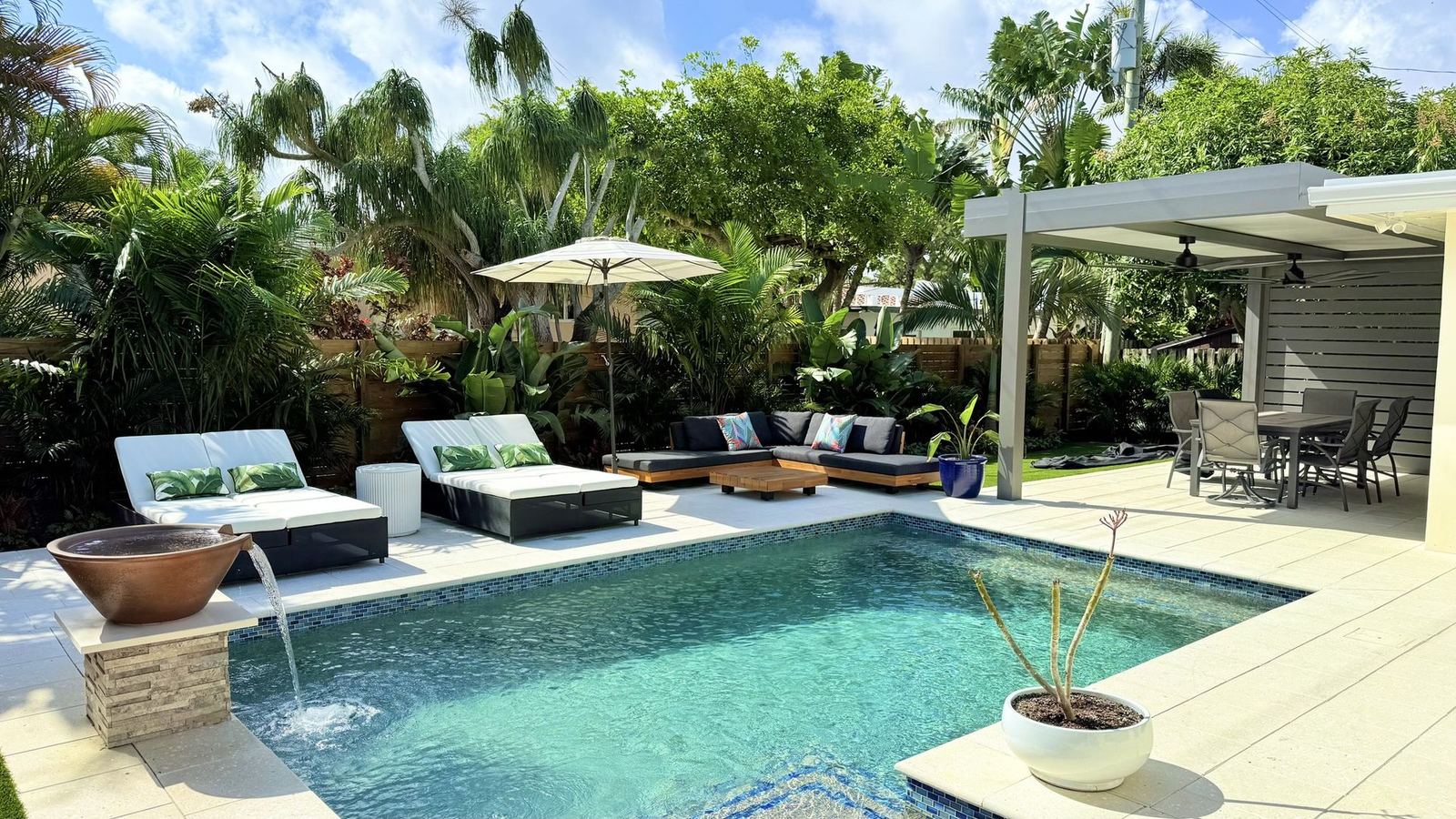
Position lights strategically to avoid glare while maximizing visual impact. In-pool lights should illuminate the water without creating harsh spots, and deck lights should provide adequate visibility without shining directly into seating areas. Also, consider adding separate zones for different lighting areas so you can adjust pool, deck, and landscape lighting independently based on how you're using the space.
The Challenge It Solves
While Fort Lauderdale enjoys warm weather most of the year, winter months can bring overnight temperatures into the 50s and 60s, which cools pool water to uncomfortable levels. Without heating, your pool sits unused for several months each year despite South Florida's generally favorable climate. This represents a significant missed opportunity for one of your home's most valuable amenities.
The Strategy Explained
Pool heating technology has advanced considerably, offering multiple options that balance efficiency, operating costs, and environmental impact. Heat pumps extract warmth from the air and transfer it to pool water, providing excellent efficiency in Fort Lauderdale's mild climate. Solar heating systems harness South Florida's abundant sunshine to warm water with minimal operating costs. Gas heaters offer rapid heating for occasional use or spa features that need quick temperature increases.
For most Fort Lauderdale homeowners, heat pumps represent the optimal choice. They operate efficiently when air temperatures remain above 50 degrees-which covers virtually the entire year in South Florida-and provide consistent, economical heating that extends the swimming season without dramatic utility cost increases.
Implementation Steps
1. Calculate your pool's volume and determine the appropriate heater size based on your typical usage patterns and how quickly you want to achieve comfortable temperatures.
2. Evaluate your property's solar exposure if considering solar heating, or assess gas line availability if gas heating interests you-each option has specific site requirements that affect feasibility and installation costs.
3. Install a pool cover to retain heat overnight and reduce heating costs by minimizing heat loss when the pool isn't in use.
Pro Tips
Don't undersize your heater to save on initial costs. An appropriately sized heater operates more efficiently and maintains temperatures more effectively than an undersized unit running constantly. Also, combine heating with a pool automation system that allows you to schedule heating cycles and monitor temperatures remotely-this prevents wasting energy heating an empty pool while ensuring comfortable water whenever you want to swim.
The Challenge It Solves
A pool surrounded by empty deck space feels incomplete and limits how you can use your backyard. Without dedicated areas for dining, lounging, or entertaining, your outdoor space becomes single-purpose rather than the multi-functional retreat that maximizes your property's potential. Fort Lauderdale's climate supports year-round outdoor living, but only if you create spaces that encourage spending time outside beyond just swimming.
The Strategy Explained
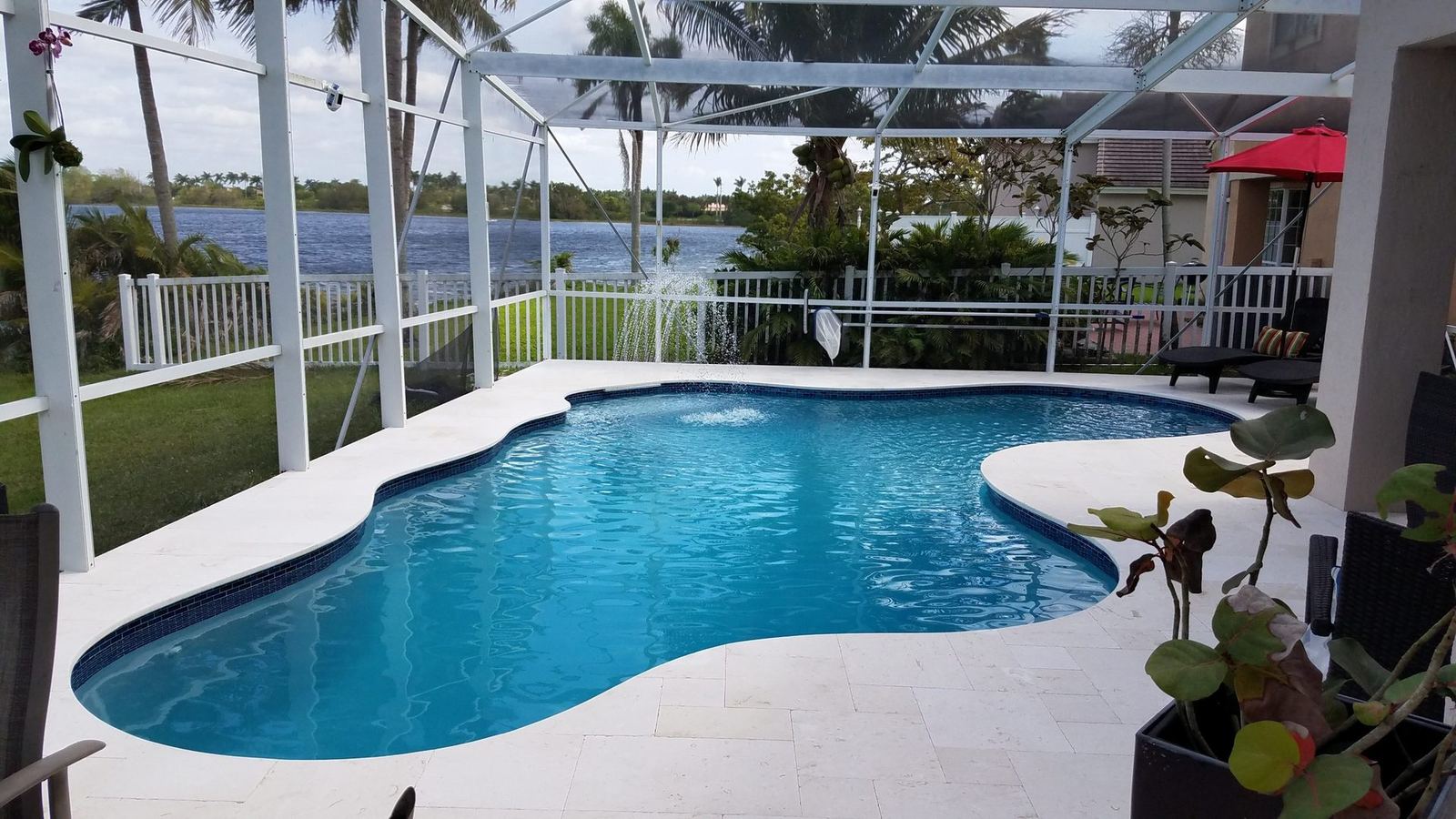
Integrating your pool into a comprehensive outdoor living environment transforms your backyard into a true extension of your home. Outdoor kitchens allow you to prepare and serve meals without constantly running inside, keeping hosts engaged with guests. Pergolas and shade structures provide relief from intense midday sun while creating defined spaces for different activities. Comfortable seating areas with weather-resistant furniture establish lounging zones separate from the pool deck.
The most successful designs create natural flow between different zones. A covered dining area near the pool allows easy access for swimmers while providing shade for extended meals. A separate conversation area with comfortable seating creates an adult retreat. Fire features add ambiance for cooler evenings and extend the space's usability into night hours.
Implementation Steps
1. Map your backyard to identify optimal locations for different activity zones based on sun exposure, proximity to the house, and natural traffic patterns around the pool.
2. Select permanent structures first-outdoor kitchens, pergolas, and fire features require planning for utilities, foundations, and permits before installation.
3. Layer in furnishings, planters, and decorative elements that can be adjusted over time as your needs and preferences evolve.
Pro Tips
Invest in quality outdoor furnishings designed specifically for South Florida's climate. Salt air and humidity destroy cheaper materials quickly, making durable options more economical long-term. Also, incorporate multiple shade solutions-pergolas for architectural interest, umbrellas for flexibility, and natural shade from strategically placed palms or other tropical plants that thrive in Fort Lauderdale.
The Challenge It Solves
Pool renovation involves complex permitting requirements, specialized construction techniques, and coordination between multiple trades. Inexperienced contractors might miss critical details about Fort Lauderdale's building codes, create designs that don't account for local climate challenges, or use materials that deteriorate quickly in South Florida conditions. The wrong contractor choice can turn your dream renovation into an expensive, frustrating experience with results that don't last.
The Strategy Explained
Partnering with established local contractors who specialize in pool renovation provides multiple advantages. They understand Broward County's specific permitting processes and maintain relationships with local building departments that streamline approvals. They know which materials and techniques perform best in Fort Lauderdale's unique environment of salt air, intense UV, and high humidity. They can anticipate potential issues based on experience with similar projects in your area.
Local specialists also provide better long-term support. When you need service, adjustments, or future upgrades, contractors familiar with your project can respond quickly and knowledgeably. This ongoing relationship proves invaluable for maintaining your investment over time.
Implementation Steps
1. Research potential contractors by verifying their licenses through the Florida Department of Business and Professional Regulation and checking their standing with the Broward County Contractor Licensing Board.
2. Request references from recent Fort Lauderdale projects similar to yours, and take time to view completed work in person when possible to assess quality and attention to detail.
3. Obtain detailed written proposals from multiple contractors that specify materials, timelines, warranty coverage, and payment schedules before making your selection.
Pro Tips
Don't make your decision based solely on the lowest bid. Experienced contractors charge appropriately for their expertise, quality materials, and proper permitting. Unusually low bids often indicate corners will be cut somewhere-whether in materials, labor quality, or proper code compliance. Also, verify that contractors carry adequate liability insurance and workers' compensation coverage to protect you from potential claims during construction.
Putting It All Together
Your Fort Lauderdale backyard pool renovation represents an investment in both your home's value and your family's quality of life. The strategies outlined here provide a roadmap for creating a pool environment that looks stunning, functions efficiently, and stands up to South Florida's demanding climate for years to come.
Start by addressing any structural or surface issues through professional resurfacing-this foundation ensures everything else you add has a solid base. From there, prioritize upgrades based on how you actually use your pool. Families with young children might emphasize safety features and interactive water elements. Frequent entertainers might focus on outdoor kitchens and sophisticated lighting systems. Those seeking a personal retreat might invest in heating, spa features, and comfortable lounging areas.
The most successful renovations happen when homeowners partner with experienced local contractors who understand Fort Lauderdale's unique climate challenges and building requirements. They guide you through the permitting process, recommend materials proven to perform in salt-air environments, and coordinate the multiple trades required to bring your vision to life.
Remember that renovation doesn't have to happen all at once. Many homeowners phase their projects, tackling essential repairs first and adding enhancement features over time as budget allows. This approach spreads costs while letting you refine your vision based on how you actually use the completed elements.
Ready to transform your backyard? Learn more about our services and request a free estimate to discuss which strategies will deliver the biggest impact for your specific pool and budget. With nearly four decades of experience serving South Florida homeowners, we understand exactly what it takes to create pool environments that look beautiful and perform flawlessly in Fort Lauderdale's unique climate.
Get a free design consultation from our South Florida team.
Every project starts with understanding how you actually use your backyard. Whether that's Sunday swims, weeknight grilling, or a putting-green escape, we size the scope to your life.