

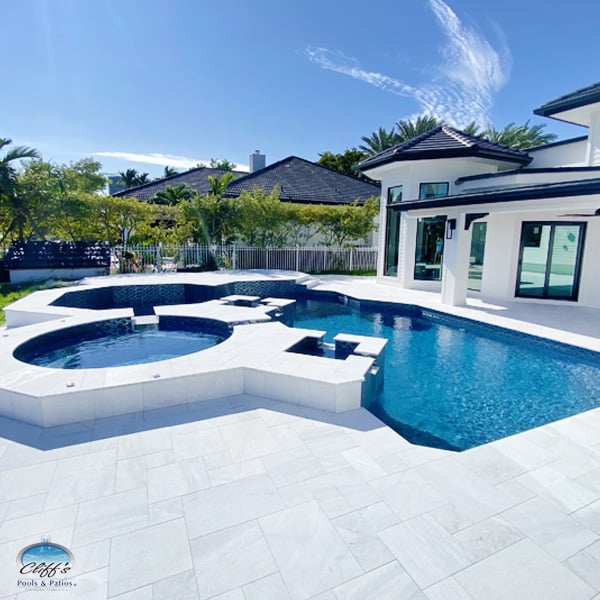
Your pool tells a story. Maybe it’s the faded plaster that’s gone from pristine white to blotchy gray. Perhaps it’s the outdated tile that screams 1990s, or the single-speed pump that sounds like a jet engine and sends your electric bill soaring. Whatever the signs, you’ve reached that moment every South Florida pool owner eventually faces: it’s time for a transformation.
Here’s the thing about pool remodeling in our climate—it’s not just about aesthetics. South Florida’s relentless sun, salt-laden coastal air, and year-round swimming season create demands that pools in other regions simply don’t face. Your backyard oasis works harder than pools anywhere else in the country, which means strategic upgrades deliver returns every single day, not just during a brief summer season.
The good news? Today’s pool remodeling options offer dramatic improvements in durability, efficiency, and functionality that weren’t available even a decade ago. Whether you’re addressing deterioration that can’t wait or reimagining your entire outdoor living space, the right approach transforms a tired pool into a stunning centerpiece that enhances both your lifestyle and property value.
These seven strategies represent the most impactful upgrades for South Florida pools, drawn from decades of experience working in our unique environment. Some address urgent needs that protect your investment. Others unlock conveniences that change how you experience your backyard. Together, they create a roadmap for remodeling that balances practical necessities with the features that make your outdoor space truly yours.
STRATEGY 1
Prioritize Surface Restoration for Lasting Results
The Challenge It Solves
Pool surface deterioration isn’t just unsightly—it’s a problem that accelerates the longer you wait. That rough texture scraping swimmers’ feet? It’s exposing the underlying structure to water infiltration. Those stains that won’t scrub away? They signal chemical imbalances that eat away at your pool’s protective barrier. In South Florida’s intense UV environment, surface degradation happens faster than in milder climates, making restoration a priority that protects everything beneath.
The Strategy Explained
Modern pool finishes have evolved far beyond traditional marcite plaster. Pebble aggregates create textured surfaces that hide minor imperfections while providing superior durability against our harsh conditions. Quartz finishes offer smooth elegance with enhanced stain resistance. Both options typically outlast standard plaster by years, making them smart long-term investments despite higher upfront costs.
The key is matching your finish to your specific situation. Coastal properties benefit from finishes with higher resistance to salt exposure. Pools with heavy shade might prioritize algae-resistant surfaces. Those seeking luxury aesthetics can explore glass bead finishes that create stunning light effects underwater.
Surface restoration also provides the perfect opportunity to address any underlying structural issues. Cracks get properly repaired, plumbing access points get sealed correctly, and the entire shell receives a comprehensive inspection before the new surface goes on.
Implementation Steps
- 1 Schedule a professional assessment to evaluate current surface condition and identify any structural concerns that need addressing before resurfacing.
- 2 Compare finish options based on your priorities—durability, texture preference, color retention, and budget—while considering how each performs in South Florida’s climate.
- 3 Plan the timeline carefully, as most finishes require 7-10 days from draining to refilling, during which you’ll need to maintain proper moisture levels on the new surface.
Pro Tips
Don’t rush the curing process. New pool surfaces need specific care during their first weeks, including careful chemical balancing and avoiding aggressive brushing. Following the manufacturer’s startup procedures exactly prevents problems that could affect your finish for years. Consider scheduling resurfacing during cooler months when proper curing is easier to maintain.
STRATEGY 2
Upgrade Your Tile and Coping for Visual Impact
The Challenge It Solves
Waterline tile and coping create the visual frame that defines your pool’s entire aesthetic. Outdated tile instantly dates your pool, while cracked or loose coping creates safety hazards and allows water to penetrate behind your pool shell. In South Florida’s heat, inferior coping materials become uncomfortably hot underfoot, limiting how you use your pool deck. These elements face constant exposure to chemicals, sun, and temperature fluctuations, making quality materials essential.
The Strategy Explained
Tile and coping upgrades deliver dramatic visual transformation with relatively contained scope and cost. Glass tile creates jewel-like effects as light plays across the waterline. Porcelain options offer virtually unlimited design possibilities, from classic blues to contemporary geometric patterns. Natural stone provides organic elegance that complements tropical landscaping.
For coping, the material choice affects both aesthetics and functionality. Travertine stays cooler underfoot than many alternatives, crucial for South Florida’s scorching summers. Pavers create clean, modern lines and come in colors that coordinate with your broader hardscape. Cantilevered concrete coping provides seamless integration with pool decks.
This upgrade also addresses the practical concern of calcium buildup, which plagues South Florida pools due to our hard water. Choosing tile that resists staining and coping with proper drainage details minimizes ongoing maintenance headaches.
Implementation Steps
- 1 Evaluate your current tile and coping for structural issues beyond aesthetics—loose sections, cracking, or water infiltration require immediate attention regardless of appearance.
- 2 Select materials that complement your overall design vision while meeting practical requirements for heat resistance, slip resistance, and durability in pool chemical exposure.
- 3 Coordinate tile and coping work with any surface restoration, as combining these projects typically reduces overall labor costs and creates better integration between elements.
Pro Tips
Extend your new tile slightly higher than standard six-inch waterline placement if your pool experiences frequent splashing or if you have water features. This prevents that dingy ring that develops just above the tile line. For coping, ensure proper pitch away from the pool to prevent standing water, which accelerates deterioration in any material you choose.
STRATEGY 3
Add Water Features That Enhance Ambiance
The Challenge It Solves
A static pool, no matter how beautifully finished, lacks the dynamic appeal that water features provide. Beyond aesthetics, South Florida’s dense residential areas mean neighborhood noise—traffic, lawn equipment, nearby conversations—often intrudes on your outdoor relaxation. Water features create pleasant sound that masks these disturbances while adding visual interest that transforms your pool from functional to resort-like.
The Strategy Explained
Water features range from subtle to spectacular, letting you match the addition to your style and budget. Deck jets create elegant arcs of water that catch sunlight and provide gentle sound without overwhelming conversation. Bubblers add playful elements that children love while creating soothing background noise for adults. Spillover spas combine the therapeutic benefits of hot water with the visual drama of water cascading into your pool.
Sheer descents and rain curtains deliver that luxury resort aesthetic, creating sheets of water that reflect light beautifully at night when paired with LED lighting. For properties with elevation changes, natural-looking rock waterfalls integrate your pool into the landscape while providing the most substantial sound masking.
The practical benefit often surprises homeowners: moving water helps with pool circulation and can actually improve water quality by increasing surface agitation and aeration. Features also provide cooling effects during South Florida’s hottest months, as water exposed to air releases heat.
Implementation Steps
- 1 Identify your primary goal—sound masking, visual drama, child entertainment, or cooling effects—as this guides which feature type delivers the best results for your situation.
- 2 Consider plumbing and electrical requirements during the planning phase, as adding these after pool construction is complete requires cutting into decking and potentially your pool shell.
- 3 Integrate lighting design with your water feature selection, as proper illumination transforms these elements from daytime accents into nighttime focal points.
Pro Tips
Position water features where they’ll be visible from your main indoor living spaces to extend enjoyment beyond pool time. Install dedicated circulation pumps for features rather than running them off your main pool pump—this allows independent operation and better energy management. For spillover spas, ensure the spa sits high enough to create visible water movement without excessive flow that causes heat loss.
STRATEGY 4
Install Energy-Efficient Equipment During Remodeling
The Challenge It Solves
Old pool equipment doesn’t just cost more to operate—it’s often louder, less reliable, and lacks the control options that make pool ownership convenient. Single-speed pumps run at full power regardless of need, wasting energy during routine filtration. Outdated lighting systems consume excessive electricity while providing mediocre illumination. Inefficient heaters struggle to maintain comfortable temperatures while driving up utility bills. In South Florida where pools run year-round, these inefficiencies compound month after month.
The Strategy Explained
Equipment upgrades represent the most practical investment in pool remodeling, delivering measurable savings that offset initial costs over time. Variable-speed pumps adjust their output to match actual needs, running at lower speeds for routine circulation and ramping up only when necessary for cleaning or water features. This flexibility dramatically reduces energy consumption compared to single-speed alternatives.
LED lighting has revolutionized pool illumination, offering brilliant color options, decades-long lifespan, and minimal energy draw. A complete LED lighting system typically uses less electricity than a single old-style incandescent bulb while providing far superior effects.
Modern sanitation systems—salt chlorinators, UV sterilization, or ozone generators—reduce chemical handling and often create more comfortable swimming conditions with less maintenance. Heat pumps provide efficient warming for those cooler winter evenings when you want to extend your swimming season.
The remodeling context matters because equipment upgrades often require plumbing modifications, electrical work, and equipment pad reconfiguration. Tackling these changes while your pool area is already under construction eliminates the need for future disruption and typically reduces overall installation costs.
Implementation Steps
- 1 Audit your current equipment’s age, efficiency ratings, and operating costs to identify which upgrades deliver the fastest payback through reduced utility bills and maintenance.
- 2 Right-size new equipment for your specific pool volume and usage patterns rather than simply replacing old equipment with equivalent models that may be oversized.
- 3 Coordinate equipment upgrades with any automation system installation to ensure all components integrate seamlessly for centralized control.
Pro Tips
Don’t overlook the equipment pad itself during upgrades. Proper screening improves aesthetics while ensuring adequate ventilation for equipment performance and longevity. Consider noise levels when selecting equipment locations—even quiet variable-speed pumps produce some sound that you’ll want directed away from outdoor living areas. Verify that your electrical panel can handle upgraded equipment, as some systems require dedicated circuits or panel upgrades.
STRATEGY 5
Expand Your Pool Deck and Entertainment Space
The Challenge It Solves
A cramped pool deck limits how you use your outdoor space. There’s nowhere to place loungers without blocking walkways. Entertaining means guests crowd into tight areas with no comfortable gathering spots. The disconnect between your pool and patio creates awkward transitions instead of cohesive outdoor living flow. In South Florida where outdoor entertaining happens year-round, inadequate deck space means you’re not fully capitalizing on your property’s potential.
The Strategy Explained
Expanding your pool deck during remodeling creates opportunities that standalone patio projects can’t match. You’re already disrupting the area, making it the ideal time to reconfigure hardscape, add square footage, and create defined zones for different activities. The result is a unified outdoor environment rather than a pool surrounded by disconnected elements.
Modern deck materials offer solutions for every aesthetic and budget. Pavers provide classic appeal with easy replacement if individual units crack. Travertine delivers natural elegance that stays remarkably cool underfoot. Decorative concrete creates custom looks through stamping, staining, or polishing while offering excellent durability. The key is selecting materials that complement your pool’s updated finishes and your home’s architecture.
Strategic expansion means thinking beyond simple square footage. A sun shelf creates shallow lounging areas perfect for young children or adults wanting to cool off while reading. Raised spa areas or seating walls define spaces without barriers. Extending decking to connect with existing patios eliminates that abrupt transition where pool area ends and yard begins.
Implementation Steps
- 1 Map your ideal outdoor living zones—dining, lounging, conversation areas, and pool access paths—to determine where additional square footage delivers maximum functional improvement.
- 2 Address drainage comprehensively during expansion, ensuring proper slope and drainage solutions that prevent water accumulation that could undermine your pool structure or create standing water issues.
- 3 Coordinate deck materials and layout with any planned landscaping, outdoor kitchen additions, or shade structures to create a cohesive design rather than piecemeal additions.
Pro Tips
Build in electrical outlets and plumbing access points during deck expansion, even if you don’t have immediate plans for features like outdoor kitchens or additional water features. Adding these provisions during construction costs a fraction of retrofitting later. Consider incorporating different surface textures in high-traffic areas for improved slip resistance, particularly around pool entry points and wet zones.
STRATEGY 6
Incorporate Smart Pool Automation Systems
The Challenge It Solves
Managing pool equipment manually means walking outside to adjust settings, forgetting to run cleaning cycles, and lacking visibility into system performance until something goes wrong. For South Florida homeowners who travel or maintain second homes, the inability to monitor and control pool systems remotely creates anxiety about equipment failures or storm preparation. Traditional timers and manual controls also prevent the kind of optimization that maximizes efficiency and extends equipment life.
The Strategy Explained
Pool automation has evolved from luxury add-on to practical necessity, particularly in our climate where pools operate continuously. Modern systems consolidate control of pumps, lighting, heating, cleaning systems, and water features into smartphone apps that work from anywhere. You can adjust settings from your office, check system status while traveling, and receive alerts if something requires attention.
The convenience factor transforms daily pool ownership. Forgot to turn on the pool lights before guests arrive? Handle it from your car. Want to warm the spa for an evening soak? Start the heater from inside while you’re getting ready. Need to adjust pump schedules around time-of-use electricity rates? Make changes instantly rather than reprogramming mechanical timers.
For storm preparedness—a real concern in South Florida—automation enables remote response. Lower water levels before a hurricane from wherever you’ve evacuated. Verify that equipment shut down properly. Restart systems once you’ve confirmed it’s safe, even if you can’t physically return home immediately.
Integration capabilities keep expanding. Many systems now connect with home automation platforms, allowing voice control and scene programming that coordinates pool features with outdoor lighting, music, and climate control.
Implementation Steps
- 1 Select an automation platform that supports your current equipment while offering expandability for future additions like water features or upgraded sanitation systems.
- 2 Ensure reliable WiFi coverage extends to your pool equipment area, as connectivity problems undermine the entire system’s usefulness—consider adding outdoor access points if needed.
- 3 Program intelligent schedules that optimize efficiency, such as running pumps during off-peak electricity hours and coordinating heating cycles with typical usage patterns.
Pro Tips
Don’t overlook the value of system monitoring and diagnostics that automation provides. Many platforms track equipment runtime, alert you to unusual patterns that might indicate developing problems, and maintain logs that help troubleshoot issues. Set up multiple user profiles so family members can control features without accessing administrative settings. For vacation homes, automation systems often pay for themselves through reduced service calls and the ability to address minor issues remotely.
STRATEGY 7
Plan Your Remodel Around South Florida’s Seasonal Timing
The Challenge It Solves
Pool remodeling requires your pool to be drained and out of service for days or weeks depending on project scope. Poor timing means losing pool access during prime swimming season or facing weather delays that extend timelines and increase costs. South Florida’s contractor market also experiences seasonal fluctuations in availability and pricing, making strategic scheduling essential for both budget and convenience.
The Strategy Explained
The ideal remodeling window in South Florida typically falls between October and early March. Temperatures remain comfortable for outdoor work while avoiding the intense summer heat that complicates certain processes like surface curing. Hurricane season has ended, reducing weather-related delays. Many homeowners want pools ready for spring and summer, creating contractor availability during these months that disappears once peak season approaches.
Winter timing also benefits the technical aspects of remodeling. Concrete work, surface application, and curing processes all perform better in moderate temperatures. Tile adhesion, plaster setting, and paint drying achieve optimal results without the challenges that extreme heat creates. Your contractor can work more efficiently, potentially completing projects faster than summer attempts would allow.
However, timing strategy depends on your specific priorities. If you’re addressing urgent structural issues or equipment failures, waiting for an ideal season may not be practical. Surface deterioration that allows water infiltration worsens the longer you delay, potentially creating more extensive damage that increases eventual repair costs.
For comprehensive remodels combining multiple strategies, breaking the project into phases can extend usability. Complete equipment upgrades and deck expansion during one period, then tackle surface restoration and tile work during another. This approach minimizes total downtime while spreading costs across different budget cycles.
Implementation Steps
- 1 Contact contractors in late summer or early fall to secure scheduling for optimal winter months, as the best professionals book their calendars weeks or months in advance.
- 2 Coordinate permit applications and approvals before your scheduled start date, as county processing times can vary and delays at this stage push your entire timeline into less favorable periods.
- 3 Develop contingency plans for weather delays or unexpected complications, building buffer time into your schedule before any critical dates like planned events or seasonal rental commitments.
Pro Tips
Communicate your flexibility to contractors during initial consultations. Professionals often have cancellations or gaps in their schedules that they’ll fill with ready-to-go projects at favorable rates. Be prepared to move quickly if an optimal window opens unexpectedly. For major remodels, consider temporary pool access alternatives if timing means extended downtime during periods when you’d normally swim frequently—some homeowners coordinate with community pools or gym memberships during renovation periods.
Putting It All Together
Successful pool remodeling in South Florida comes down to understanding which improvements deliver the most value for your specific situation. Start with the fundamentals—surface integrity and equipment efficiency—because these protect your investment and reduce ongoing costs. From there, layer in the enhancements that match how you actually use your outdoor space.
Maybe that means prioritizing water features if you entertain frequently and want that resort atmosphere. Perhaps automation tops your list because you travel often or simply value convenience. Some homeowners need expanded deck space to accommodate growing families, while others focus on aesthetic updates that refresh a dated appearance.
The beauty of strategic remodeling is that you don’t have to tackle everything at once. Addressing critical needs first, then adding features over time as budget allows, creates a manageable path toward your ideal outdoor environment. What matters most is working with professionals who understand South Florida’s unique demands—the climate challenges, the building requirements, and the lifestyle priorities that make our pools central to year-round living.
Every pool tells a story, and remodeling gives you the chance to write the next chapter. Whether you’re restoring a neglected pool to its former glory or transforming a basic design into something extraordinary, the right approach turns your backyard into the retreat you’ve been imagining.
Ready to explore what’s possible for your pool? Learn more about our services and schedule a free consultation. We’ll assess your current situation, discuss your goals, and help you prioritize the strategies that will deliver the results you’re looking for. With nearly four decades of experience serving South Florida homeowners, we understand exactly what it takes to create pools that look stunning and perform flawlessly in our demanding climate.
Your pool tells a story. Maybe it’s the faded plaster that’s gone from pristine white to blotchy gray. Perhaps it’s the outdated tile that screams 1990s, or the single-speed pump that sounds like a jet engine and sends your electric bill soaring. Whatever the signs, you’ve reached that moment every South Florida pool owner eventually faces: it’s time for a transformation.
Here’s the thing about pool remodeling in our climate—it’s not just about aesthetics. South Florida’s relentless sun, salt-laden coastal air, and year-round swimming season create demands that pools in other regions simply don’t face. Your backyard oasis works harder than pools anywhere else in the country, which means strategic upgrades deliver returns every single day, not just during a brief summer season.
The good news? Today’s pool remodeling options offer dramatic improvements in durability, efficiency, and functionality that weren’t available even a decade ago. Whether you’re addressing deterioration that can’t wait or reimagining your entire outdoor living space, the right approach transforms a tired pool into a stunning centerpiece that enhances both your lifestyle and property value.
These seven strategies represent the most impactful upgrades for South Florida pools, drawn from decades of experience working in our unique environment. Some address urgent needs that protect your investment. Others unlock conveniences that change how you experience your backyard. Together, they create a roadmap for remodeling that balances practical necessities with the features that make your outdoor space truly yours.
1. Prioritize Surface Restoration for Lasting Results
The Challenge It Solves
Pool surface deterioration isn’t just unsightly—it’s a problem that accelerates the longer you wait. That rough texture scraping swimmers’ feet? It’s exposing the underlying structure to water infiltration. Those stains that won’t scrub away? They signal chemical imbalances that eat away at your pool’s protective barrier. In South Florida’s intense UV environment, surface degradation happens faster than in milder climates, making restoration a priority that protects everything beneath.
The Strategy Explained
Modern pool finishes have evolved far beyond traditional marcite plaster. Pebble aggregates create textured surfaces that hide minor imperfections while providing superior durability against our harsh conditions. Quartz finishes offer smooth elegance with enhanced stain resistance. Both options typically outlast standard plaster by years, making them smart long-term investments despite higher upfront costs.
The key is matching your finish to your specific situation. Coastal properties benefit from finishes with higher resistance to salt exposure. Pools with heavy shade might prioritize algae-resistant surfaces. Those seeking luxury aesthetics can explore glass bead finishes that create stunning light effects underwater.
Surface restoration also provides the perfect opportunity to address any underlying structural issues. Cracks get properly repaired, plumbing access points get sealed correctly, and the entire shell receives a comprehensive inspection before the new surface goes on.
Implementation Steps
1. Schedule a professional assessment to evaluate current surface condition and identify any structural concerns that need addressing before resurfacing.
2. Compare finish options based on your priorities—durability, texture preference, color retention, and budget—while considering how each performs in South Florida’s climate.
3. Plan the timeline carefully, as most finishes require 7-10 days from draining to refilling, during which you’ll need to maintain proper moisture levels on the new surface.
Pro Tips
Don’t rush the curing process. New pool surfaces need specific care during their first weeks, including careful chemical balancing and avoiding aggressive brushing. Following the manufacturer’s startup procedures exactly prevents problems that could affect your finish for years. Consider scheduling resurfacing during cooler months when proper curing is easier to maintain.
2. Upgrade Your Tile and Coping for Visual Impact
The Challenge It Solves
Waterline tile and coping create the visual frame that defines your pool’s entire aesthetic. Outdated tile instantly dates your pool, while cracked or loose coping creates safety hazards and allows water to penetrate behind your pool shell. In South Florida’s heat, inferior coping materials become uncomfortably hot underfoot, limiting how you use your pool deck. These elements face constant exposure to chemicals, sun, and temperature fluctuations, making quality materials essential.
The Strategy Explained
Tile and coping upgrades deliver dramatic visual transformation with relatively contained scope and cost. Glass tile creates jewel-like effects as light plays across the waterline. Porcelain options offer virtually unlimited design possibilities, from classic blues to contemporary geometric patterns. Natural stone provides organic elegance that complements tropical landscaping.
For coping, the material choice affects both aesthetics and functionality. Travertine stays cooler underfoot than many alternatives, crucial for South Florida’s scorching summers. Pavers create clean, modern lines and come in colors that coordinate with your broader hardscape. Cantilevered concrete coping provides seamless integration with pool decks.
This upgrade also addresses the practical concern of calcium buildup, which plagues South Florida pools due to our hard water. Choosing tile that resists staining and coping with proper drainage details minimizes ongoing maintenance headaches.
Implementation Steps
1. Evaluate your current tile and coping for structural issues beyond aesthetics—loose sections, cracking, or water infiltration require immediate attention regardless of appearance.
2. Select materials that complement your overall design vision while meeting practical requirements for heat resistance, slip resistance, and durability in pool chemical exposure.
3. Coordinate tile and coping work with any surface restoration, as combining these projects typically reduces overall labor costs and creates better integration between elements.
Pro Tips
Extend your new tile slightly higher than standard six-inch waterline placement if your pool experiences frequent splashing or if you have water features. This prevents that dingy ring that develops just above the tile line. For coping, ensure proper pitch away from the pool to prevent standing water, which accelerates deterioration in any material you choose.
3. Add Water Features That Enhance Ambiance
The Challenge It Solves
A static pool, no matter how beautifully finished, lacks the dynamic appeal that water features provide. Beyond aesthetics, South Florida’s dense residential areas mean neighborhood noise—traffic, lawn equipment, nearby conversations—often intrudes on your outdoor relaxation. Water features create pleasant sound that masks these disturbances while adding visual interest that transforms your pool from functional to resort-like.
The Strategy Explained
Water features range from subtle to spectacular, letting you match the addition to your style and budget. Deck jets create elegant arcs of water that catch sunlight and provide gentle sound without overwhelming conversation. Bubblers add playful elements that children love while creating soothing background noise for adults. Spillover spas combine the therapeutic benefits of hot water with the visual drama of water cascading into your pool.
Sheer descents and rain curtains deliver that luxury resort aesthetic, creating sheets of water that reflect light beautifully at night when paired with LED lighting. For properties with elevation changes, natural-looking rock waterfalls integrate your pool into the landscape while providing the most substantial sound masking.
The practical benefit often surprises homeowners: moving water helps with pool circulation and can actually improve water quality by increasing surface agitation and aeration. Features also provide cooling effects during South Florida’s hottest months, as water exposed to air releases heat.
Implementation Steps
1. Identify your primary goal—sound masking, visual drama, child entertainment, or cooling effects—as this guides which feature type delivers the best results for your situation.
2. Consider plumbing and electrical requirements during the planning phase, as adding these after pool construction is complete requires cutting into decking and potentially your pool shell.
3. Integrate lighting design with your water feature selection, as proper illumination transforms these elements from daytime accents into nighttime focal points.
Pro Tips
Position water features where they’ll be visible from your main indoor living spaces to extend enjoyment beyond pool time. Install dedicated circulation pumps for features rather than running them off your main pool pump—this allows independent operation and better energy management. For spillover spas, ensure the spa sits high enough to create visible water movement without excessive flow that causes heat loss.
4. Install Energy-Efficient Equipment During Remodeling
The Challenge It Solves
Old pool equipment doesn’t just cost more to operate—it’s often louder, less reliable, and lacks the control options that make pool ownership convenient. Single-speed pumps run at full power regardless of need, wasting energy during routine filtration. Outdated lighting systems consume excessive electricity while providing mediocre illumination. Inefficient heaters struggle to maintain comfortable temperatures while driving up utility bills. In South Florida where pools run year-round, these inefficiencies compound month after month.
The Strategy Explained
Equipment upgrades represent the most practical investment in pool remodeling, delivering measurable savings that offset initial costs over time. Variable-speed pumps adjust their output to match actual needs, running at lower speeds for routine circulation and ramping up only when necessary for cleaning or water features. This flexibility dramatically reduces energy consumption compared to single-speed alternatives.
LED lighting has revolutionized pool illumination, offering brilliant color options, decades-long lifespan, and minimal energy draw. A complete LED lighting system typically uses less electricity than a single old-style incandescent bulb while providing far superior effects.
Modern sanitation systems—salt chlorinators, UV sterilization, or ozone generators—reduce chemical handling and often create more comfortable swimming conditions with less maintenance. Heat pumps provide efficient warming for those cooler winter evenings when you want to extend your swimming season.
The remodeling context matters because equipment upgrades often require plumbing modifications, electrical work, and equipment pad reconfiguration. Tackling these changes while your pool area is already under construction eliminates the need for future disruption and typically reduces overall installation costs.
Implementation Steps
1. Audit your current equipment’s age, efficiency ratings, and operating costs to identify which upgrades deliver the fastest payback through reduced utility bills and maintenance.
2. Right-size new equipment for your specific pool volume and usage patterns rather than simply replacing old equipment with equivalent models that may be oversized.
3. Coordinate equipment upgrades with any automation system installation to ensure all components integrate seamlessly for centralized control.
Pro Tips
Don’t overlook the equipment pad itself during upgrades. Proper screening improves aesthetics while ensuring adequate ventilation for equipment performance and longevity. Consider noise levels when selecting equipment locations—even quiet variable-speed pumps produce some sound that you’ll want directed away from outdoor living areas. Verify that your electrical panel can handle upgraded equipment, as some systems require dedicated circuits or panel upgrades.
5. Expand Your Pool Deck and Entertainment Space
The Challenge It Solves
A cramped pool deck limits how you use your outdoor space. There’s nowhere to place loungers without blocking walkways. Entertaining means guests crowd into tight areas with no comfortable gathering spots. The disconnect between your pool and patio creates awkward transitions instead of cohesive outdoor living flow. In South Florida where outdoor entertaining happens year-round, inadequate deck space means you’re not fully capitalizing on your property’s potential.
The Strategy Explained
Expanding your pool deck during remodeling creates opportunities that standalone patio projects can’t match. You’re already disrupting the area, making it the ideal time to reconfigure hardscape, add square footage, and create defined zones for different activities. The result is a unified outdoor environment rather than a pool surrounded by disconnected elements.
Modern deck materials offer solutions for every aesthetic and budget. Pavers provide classic appeal with easy replacement if individual units crack. Travertine delivers natural elegance that stays remarkably cool underfoot. Decorative concrete creates custom looks through stamping, staining, or polishing while offering excellent durability. The key is selecting materials that complement your pool’s updated finishes and your home’s architecture.
Strategic expansion means thinking beyond simple square footage. A sun shelf creates shallow lounging areas perfect for young children or adults wanting to cool off while reading. Raised spa areas or seating walls define spaces without barriers. Extending decking to connect with existing patios eliminates that abrupt transition where pool area ends and yard begins.
Implementation Steps
1. Map your ideal outdoor living zones—dining, lounging, conversation areas, and pool access paths—to determine where additional square footage delivers maximum functional improvement.
2. Address drainage comprehensively during expansion, ensuring proper slope and drainage solutions that prevent water accumulation that could undermine your pool structure or create standing water issues.
3. Coordinate deck materials and layout with any planned landscaping, outdoor kitchen additions, or shade structures to create a cohesive design rather than piecemeal additions.
Pro Tips
Build in electrical outlets and plumbing access points during deck expansion, even if you don’t have immediate plans for features like outdoor kitchens or additional water features. Adding these provisions during construction costs a fraction of retrofitting later. Consider incorporating different surface textures in high-traffic areas for improved slip resistance, particularly around pool entry points and wet zones.
6. Incorporate Smart Pool Automation Systems
The Challenge It Solves
Managing pool equipment manually means walking outside to adjust settings, forgetting to run cleaning cycles, and lacking visibility into system performance until something goes wrong. For South Florida homeowners who travel or maintain second homes, the inability to monitor and control pool systems remotely creates anxiety about equipment failures or storm preparation. Traditional timers and manual controls also prevent the kind of optimization that maximizes efficiency and extends equipment life.
The Strategy Explained
Pool automation has evolved from luxury add-on to practical necessity, particularly in our climate where pools operate continuously. Modern systems consolidate control of pumps, lighting, heating, cleaning systems, and water features into smartphone apps that work from anywhere. You can adjust settings from your office, check system status while traveling, and receive alerts if something requires attention.
The convenience factor transforms daily pool ownership. Forgot to turn on the pool lights before guests arrive? Handle it from your car. Want to warm the spa for an evening soak? Start the heater from inside while you’re getting ready. Need to adjust pump schedules around time-of-use electricity rates? Make changes instantly rather than reprogramming mechanical timers.
For storm preparedness—a real concern in South Florida—automation enables remote response. Lower water levels before a hurricane from wherever you’ve evacuated. Verify that equipment shut down properly. Restart systems once you’ve confirmed it’s safe, even if you can’t physically return home immediately.
Integration capabilities keep expanding. Many systems now connect with home automation platforms, allowing voice control and scene programming that coordinates pool features with outdoor lighting, music, and climate control.
Implementation Steps
1. Select an automation platform that supports your current equipment while offering expandability for future additions like water features or upgraded sanitation systems.
2. Ensure reliable WiFi coverage extends to your pool equipment area, as connectivity problems undermine the entire system’s usefulness—consider adding outdoor access points if needed.
3. Program intelligent schedules that optimize efficiency, such as running pumps during off-peak electricity hours and coordinating heating cycles with typical usage patterns.
Pro Tips
Don’t overlook the value of system monitoring and diagnostics that automation provides. Many platforms track equipment runtime, alert you to unusual patterns that might indicate developing problems, and maintain logs that help troubleshoot issues. Set up multiple user profiles so family members can control features without accessing administrative settings. For vacation homes, automation systems often pay for themselves through reduced service calls and the ability to address minor issues remotely.
7. Plan Your Remodel Around South Florida’s Seasonal Timing
The Challenge It Solves
Pool remodeling requires your pool to be drained and out of service for days or weeks depending on project scope. Poor timing means losing pool access during prime swimming season or facing weather delays that extend timelines and increase costs. South Florida’s contractor market also experiences seasonal fluctuations in availability and pricing, making strategic scheduling essential for both budget and convenience.
The Strategy Explained
The ideal remodeling window in South Florida typically falls between October and early March. Temperatures remain comfortable for outdoor work while avoiding the intense summer heat that complicates certain processes like surface curing. Hurricane season has ended, reducing weather-related delays. Many homeowners want pools ready for spring and summer, creating contractor availability during these months that disappears once peak season approaches.
Winter timing also benefits the technical aspects of remodeling. Concrete work, surface application, and curing processes all perform better in moderate temperatures. Tile adhesion, plaster setting, and paint drying achieve optimal results without the challenges that extreme heat creates. Your contractor can work more efficiently, potentially completing projects faster than summer attempts would allow.
However, timing strategy depends on your specific priorities. If you’re addressing urgent structural issues or equipment failures, waiting for an ideal season may not be practical. Surface deterioration that allows water infiltration worsens the longer you delay, potentially creating more extensive damage that increases eventual repair costs.
For comprehensive remodels combining multiple strategies, breaking the project into phases can extend usability. Complete equipment upgrades and deck expansion during one period, then tackle surface restoration and tile work during another. This approach minimizes total downtime while spreading costs across different budget cycles.
Implementation Steps
1. Contact contractors in late summer or early fall to secure scheduling for optimal winter months, as the best professionals book their calendars weeks or months in advance.
2. Coordinate permit applications and approvals before your scheduled start date, as county processing times can vary and delays at this stage push your entire timeline into less favorable periods.
3. Develop contingency plans for weather delays or unexpected complications, building buffer time into your schedule before any critical dates like planned events or seasonal rental commitments.
Pro Tips
Communicate your flexibility to contractors during initial consultations. Professionals often have cancellations or gaps in their schedules that they’ll fill with ready-to-go projects at favorable rates. Be prepared to move quickly if an optimal window opens unexpectedly. For major remodels, consider temporary pool access alternatives if timing means extended downtime during periods when you’d normally swim frequently—some homeowners coordinate with community pools or gym memberships during renovation periods.
Putting It All Together
Successful pool remodeling in South Florida comes down to understanding which improvements deliver the most value for your specific situation. Start with the fundamentals—surface integrity and equipment efficiency—because these protect your investment and reduce ongoing costs. From there, layer in the enhancements that match how you actually use your outdoor space.
Maybe that means prioritizing water features if you entertain frequently and want that resort atmosphere. Perhaps automation tops your list because you travel often or simply value convenience. Some homeowners need expanded deck space to accommodate growing families, while others focus on aesthetic updates that refresh a dated appearance.
The beauty of strategic remodeling is that you don’t have to tackle everything at once. Addressing critical needs first, then adding features over time as budget allows, creates a manageable path toward your ideal outdoor environment. What matters most is working with professionals who understand South Florida’s unique demands—the climate challenges, the building requirements, and the lifestyle priorities that make our pools central to year-round living.
Every pool tells a story, and remodeling gives you the chance to write the next chapter. Whether you’re restoring a neglected pool to its former glory or transforming a basic design into something extraordinary, the right approach turns your backyard into the retreat you’ve been imagining.
Ready to explore what’s possible for your pool? Learn more about our services and schedule a free consultation. We’ll assess your current situation, discuss your goals, and help you prioritize the strategies that will deliver the results you’re looking for. With nearly four decades of experience serving South Florida homeowners, we understand exactly what it takes to create pools that look stunning and perform flawlessly in our demanding climate.