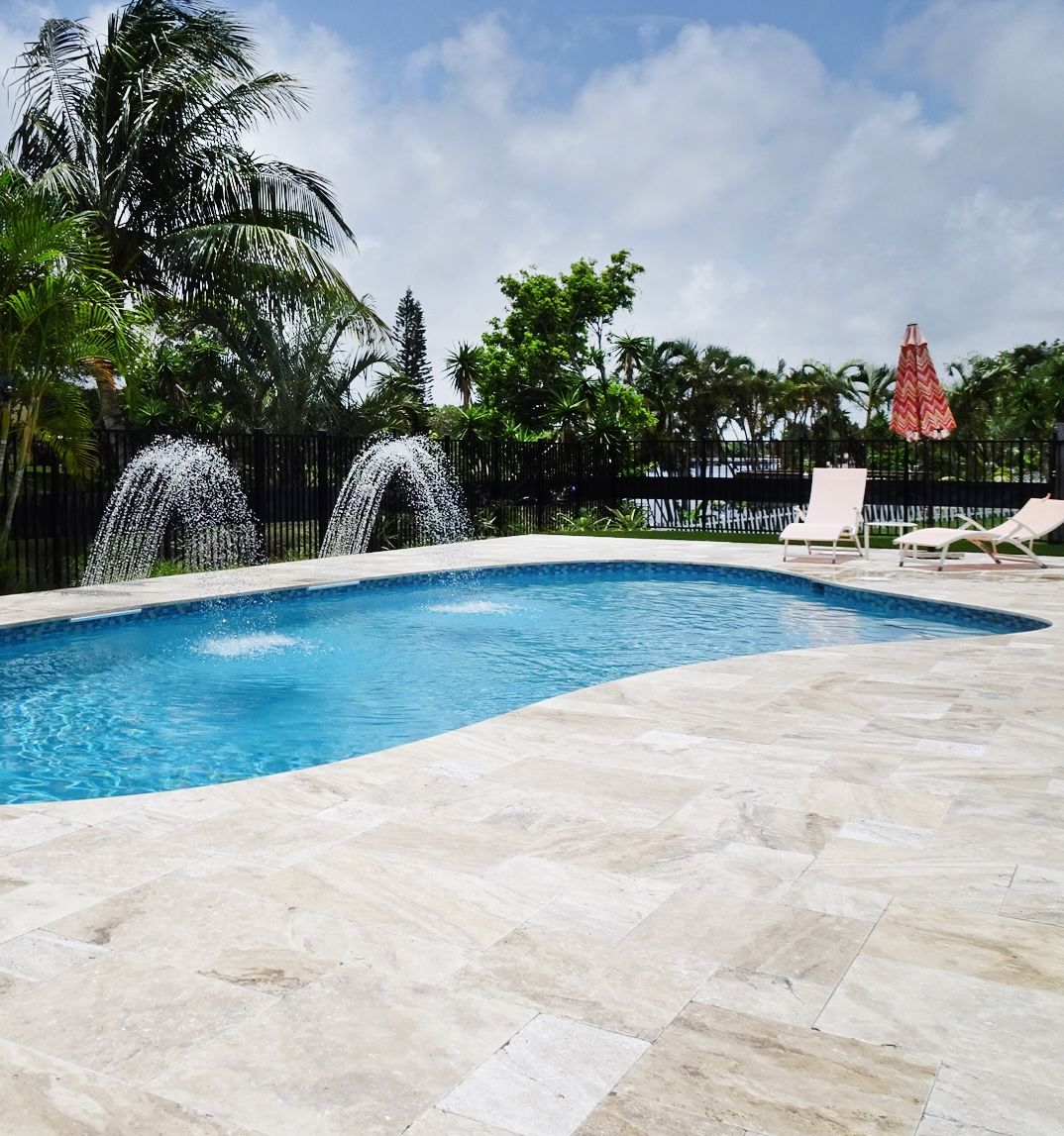
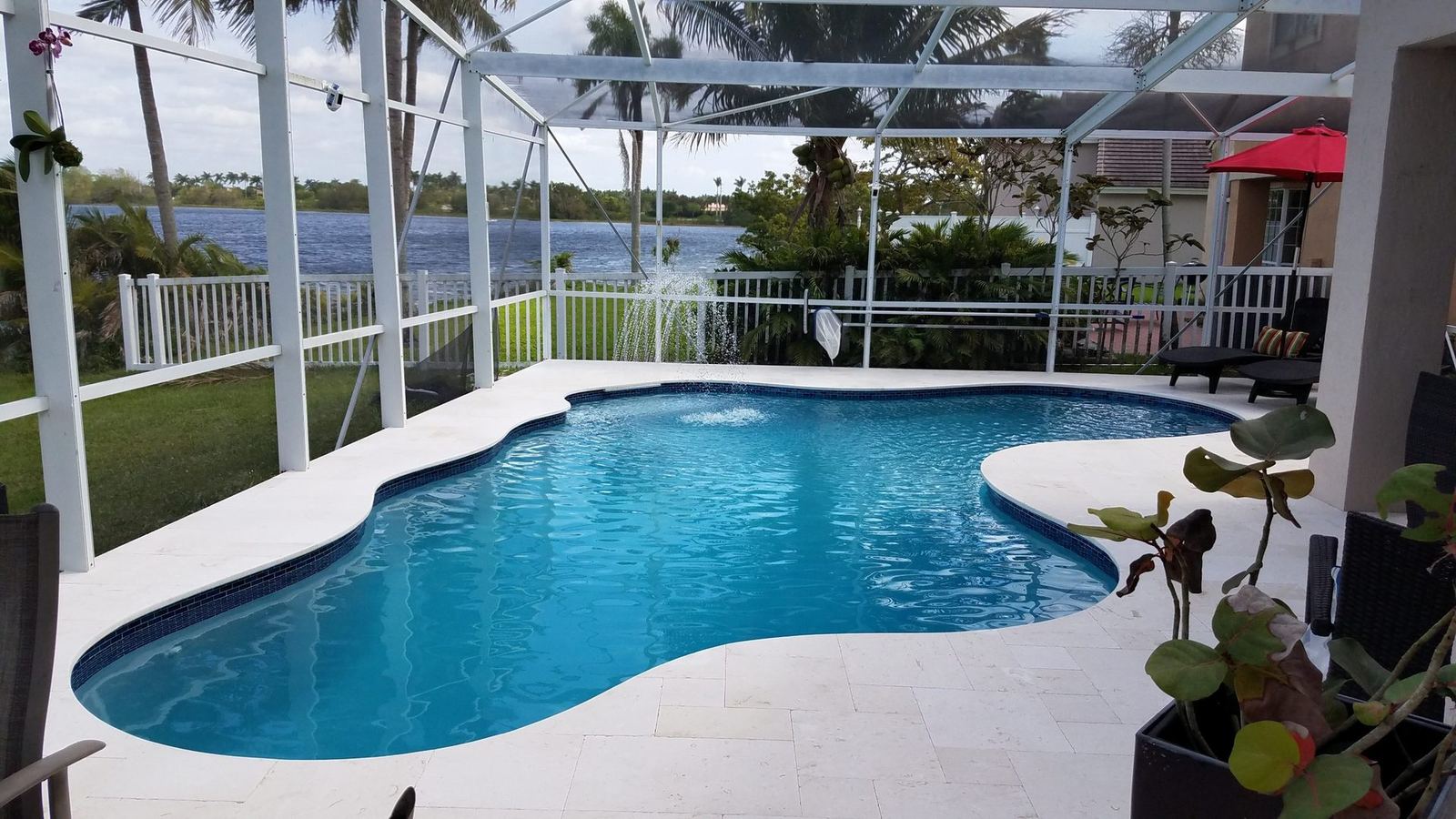
Even in South Florida, pools get cold from December through March - below the comfortable swim range for most people. A pool heater extends your usable season to 12 months. But which heater? The choice comes down to how you swim, how often, and your energy costs.
Gas Heaters
Natural gas and propane heaters warm a pool the fastest - ideal if you only want to heat occasionally for weekend guests or a quick spa dip. They're the most expensive to operate per swim, but cheap to purchase. If you heat 2-3 times a month, gas is usually the most cost-effective option.
Heat Pumps
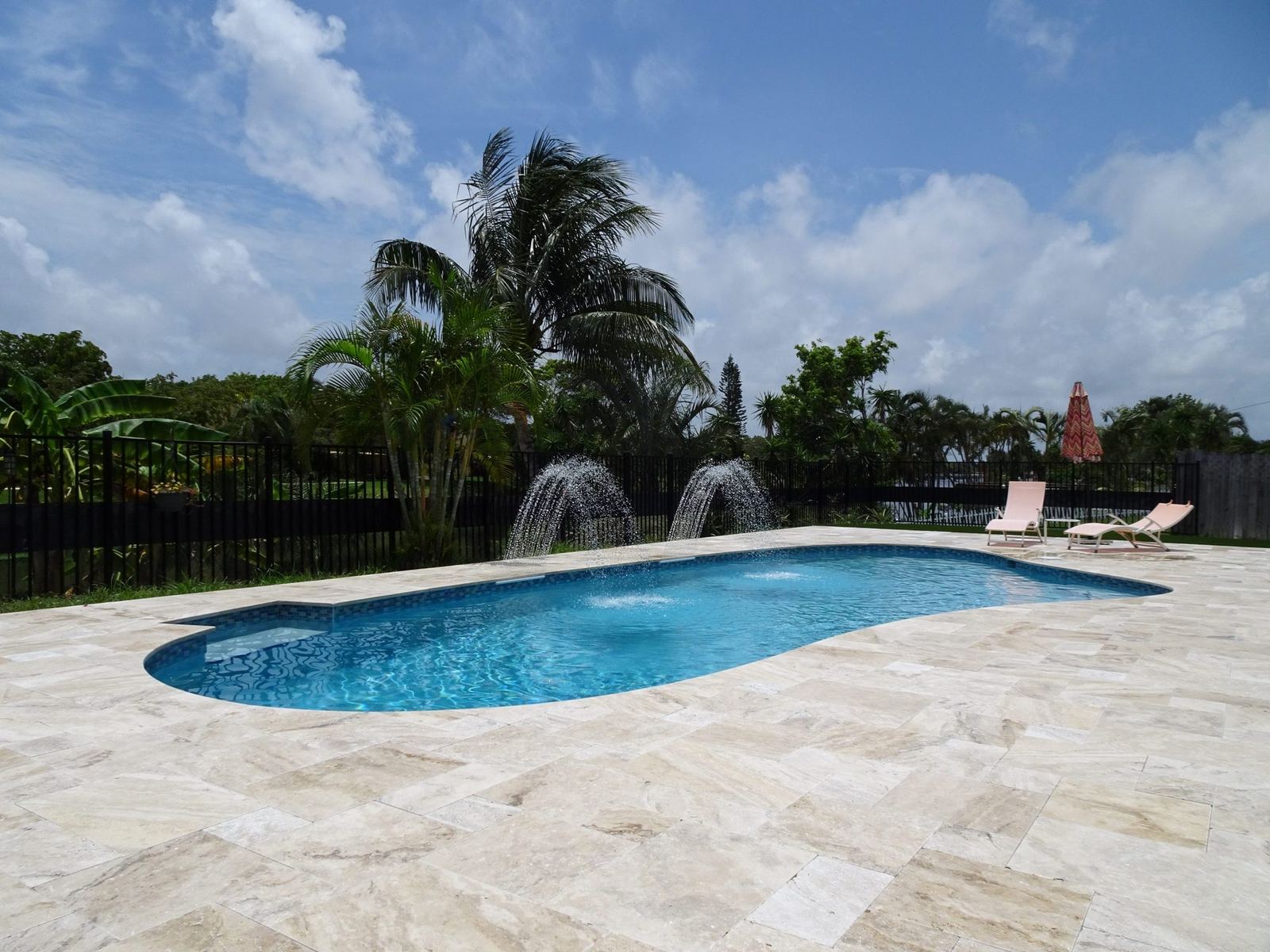
Electric heat pumps pull heat from the air and transfer it to the water. They're slower to warm the pool (24-72 hours initially) but dramatically cheaper to run - often 3-5x more efficient than gas. For homeowners who swim year-round or keep the pool warm all winter, a heat pump is the clear winner.
Solar Heating
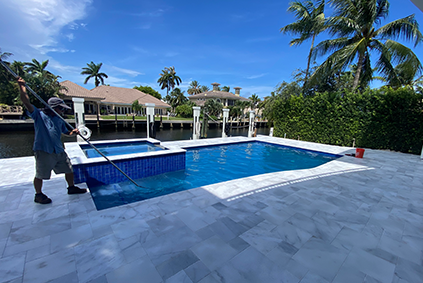
Solar panels mounted on the roof circulate pool water through them, absorbing free heat from the sun. Essentially zero operating cost. The downside: they need significant roof area, they don't work at night or on cloudy days, and South Florida summers can actually over-heat a pool with solar.
Hybrid Systems
Many South Florida homeowners pair solar with a gas or heat-pump backup - solar handles most of the load for free, and the backup kicks in only when needed. It's the highest-comfort, lowest-operating-cost setup if you have the roof space and budget for both.
Get a free design consultation from our South Florida team.
Every project starts with understanding how you actually use your backyard. Whether that's Sunday swims, weeknight grilling, or a putting-green escape, we size the scope to your life.