

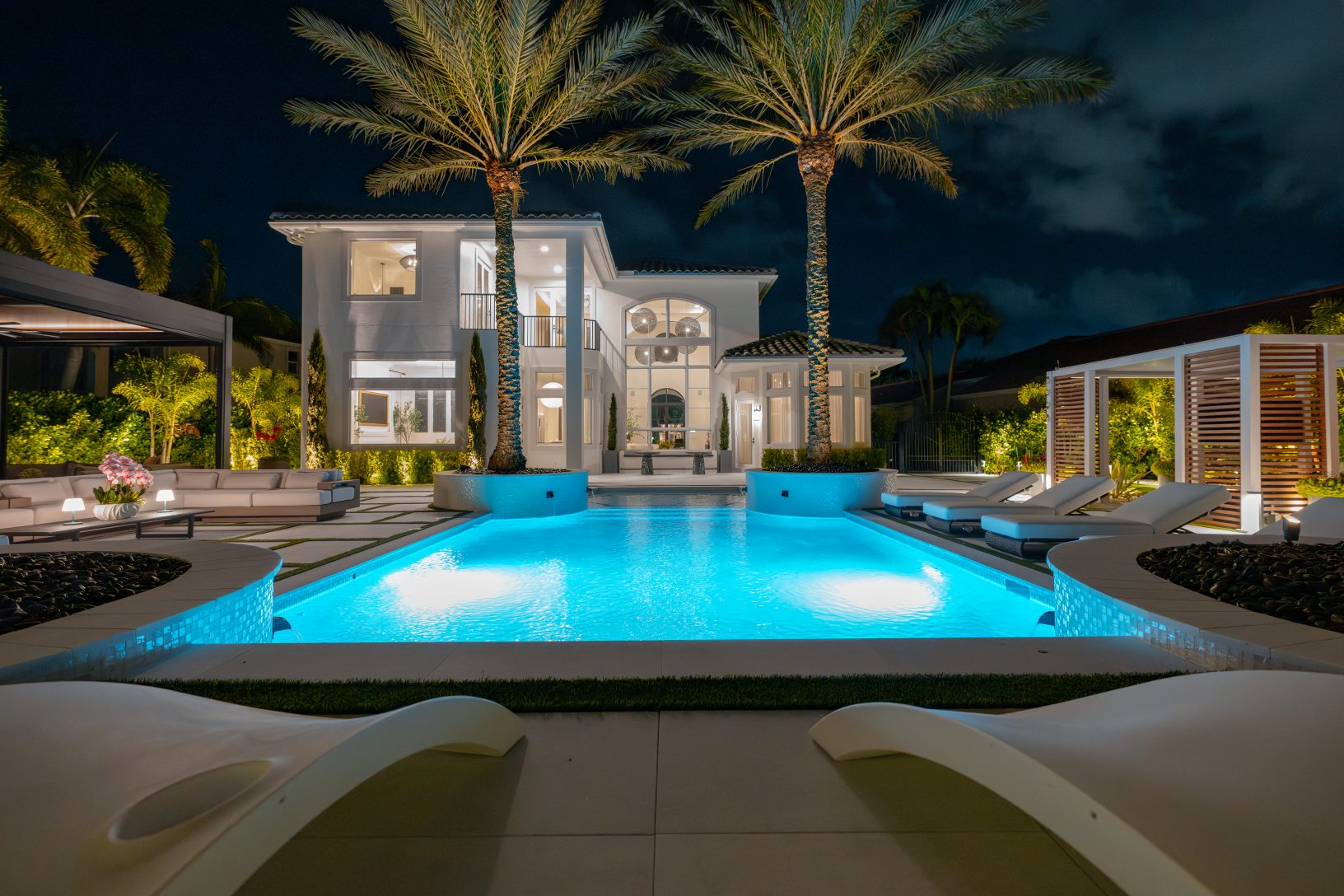
Florida is a state like no other — its year-round sunshine, warm breezes, tropical humidity and sudden rainstorms all shape the way patios and outdoor spaces should be designed. When done right, a Florida-style patio becomes more than just a walkway outside your door — it becomes a full outdoor living space: an extension of your home, a poolside retreat, and a venue for entertaining.
Here’s how to design a patio in Florida that balances beauty, comfort and durability.
Designing a patio in Florida isn’t the same as designing one in other climates. Unique weather and environmental factors strongly influence what works — and what doesn’t:
-
Intense sun and heat: Surface temperatures (on patios/decks) can become sweltering under direct sunlight, especially in summer months.
-
High humidity and frequent rain: Florida’s humid subtropical climate encourages mold, algae, moisture accumulation — which can damage materials over time.
-
Storms, tropical rain and wind: Especially near coasts, salt-air and storm exposure can accelerate wear and tear on surfaces and furniture.
-
Need for year-round usability: With mild winters and long summers, patios in Florida are used almost all year. That means comfort, drainage, shade and durability are all critical.
Because of these factors, choosing the right materials, layout, and design features matters more than ever.
Smart Material Choices: What Works Best in Florida
Travertine & Natural Stone Pavers
-
Travertine remains one of the top choices — it stays relatively cool underfoot even in direct sun, is slip-resistant, and weathers Florida’s humidity well.
-
Natural stone also resists fading and cracking better than some cheaper options, maintaining aesthetics longer.
High-Quality Concrete Pavers or Stamped Concrete (When Budget Matters)
-
If you prefer a more budget-conscious route, concrete pavers or stamped concrete are a viable option. They can mimic stone or brick patterns and still deliver durability.
-
Just be mindful: darker or poor-quality concrete may get hot under the sun, and may require sealing to resist fading or mold.
Furniture Materials for Outdoor Use
-
For furniture, materials like synthetic resin wicker, powder-coated aluminum, teak, or other weather-resistant woods are smart choices. They cope well with humidity, rain, sun — and salt air if you’re near the coast.
-
Cushions and fabrics should be weather-rated (UV-resistant, mold/mildew resistant, quick-drying) to endure frequent sun and rain.
Layout & Design Features: Comfort, Function & Style
Here are popular and effective layout and design ideas often seen in Florida patios — many of which clients at Cliff’s Pools & Patios love:
-
Seamless Pool-Patio Integration
Linking your pool deck to the main patio floor creates a unified outdoor living area. Many homeowners combine the pool deck, lounge zone, and patio under one coherent flooring and design scheme.
-
Outdoor Kitchen & Dining Zone
Outdoor kitchens with stainless-steel grills, granite counters, weather-proof cabinetry, bar seating — they turn a patio into a full entertainment zone. Perfect for parties, barbecues or family dinners under the stars.
-
Shade Structures — Pergolas, Lanais, Roofed Patios
Given Florida’s heat and sun, shade is critical. Pergolas with slatted roofs, partially covered lanais, retractable canopies, or fully roofed patios allow you to enjoy outdoors comfortably, even midday.
They also enhance airflow, reduce direct sun exposure, and — if designed properly — can resist wind and storms.
-
Water & Fire Features
Water features — like fountains, spillways, waterfalls — add resort-style ambiance, the soothing sound of water, and help visually integrate a pool with surrounding patios and landscaping.
Fire features — fire pits or fire bowls — extend patio usability into cooler evenings, creating cozy gathering spots for family and guests.
-
Smart Lighting & Evening Ambience
Integrated LED lighting along walkways, pool edges, steps or around landscape elements transforms patios after dark — adding safety, depth, and a warm, inviting glow.
-
Tropical Landscaping: Plants, Palms & Greenery
Choosing the right plants helps create shade, privacy and a tropical vibe — while minimizing pool maintenance. Things like palms, low-debris shrubs, and climate-tolerant plants maintain lushness without frequent leaf fallout or excessive upkeep.
Privacy hedges or green-walls, vertical planting (on fences or walls) and potted palms can soften hardscapes and make patios feel like secluded retreats.
Maintenance & Practical Considerations
-
Drainage & Slope: Because Florida gets heavy rain, drainage planning is essential. A slight slope away from the pool, built-in deck drains, and proper grading prevent puddles, slipping hazards, or water damage.
-
Surface Cooling: Light-colored pavers or travertine stay cooler under the sun — an important comfort factor if you’ll walk barefoot or lounge by the pool.
-
Weather-Resistant Construction: For shade structures, furniture, and hardscape — use materials and finishes that resist moisture, salt air, UV, and occasional storms.
-
Low-Maintenance Landscape: Use plants and ground covers suited to Florida’s climate — low-debris palms, hardy shrubs, artificial turf or drought-tolerant ground cover for easy upkeep.
Why Working with Experts Makes a Difference
Because of the complexity of Florida’s climate — heat, humidity, storms, drainage, maintenance — doing a patio properly requires more than picking pretty materials. A professional team understands:
-
Which materials will endure heat, sun, salt air or humidity.
-
How to grade and drain the patio so water doesn’t pool or damage the structure.
-
How to coordinate patio, pool deck, landscaping and shade structures for a seamless, functional design.
-
How to select plants, layout shade, integrate lighting and water/fire features for long-term comfort and aesthetics.
At Cliff’s Pools & Patios, with decades of experience building patios, pools and outdoor living spaces designed for Florida’s environment, we help homeowners create patios that look beautiful — and stand the test of time.