
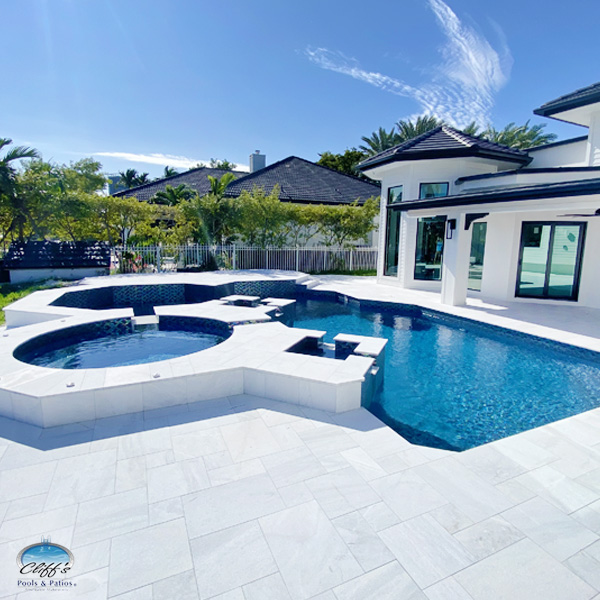
Your South Florida pool tells a story. Maybe it's the classic kidney shape from the 1990s that screams "dated" every time you look at it. Or perhaps it's the faded plaster that's turned from pristine white to a dingy gray-green you've learned to live with. The good news? Modern pool remodeling doesn't require starting from scratch. Today's renovation techniques can transform your existing pool into a contemporary masterpiece that rivals anything you'd see in a luxury home magazine-without the cost or disruption of building new.
South Florida's outdoor lifestyle makes your pool more than just a weekend amenity. It's an extension of your living space, a focal point for entertaining, and a significant factor in your home's value. As design trends have evolved toward clean lines, smart technology, and energy efficiency, older pools increasingly feel out of step with modern expectations. The eight strategies we'll explore here represent the most impactful ways South Florida homeowners are modernizing their pools right now-each addressing specific challenges our climate presents while delivering the contemporary aesthetic you're looking for.
What makes these approaches particularly relevant for our region is how they account for Florida's intense UV exposure, year-round usage patterns, and the architectural styles that dominate South Florida neighborhoods. Whether you're planning a complete transformation or looking for targeted upgrades that deliver maximum impact, these ideas provide a roadmap for bringing your pool into the modern era.
The Challenge It Solves
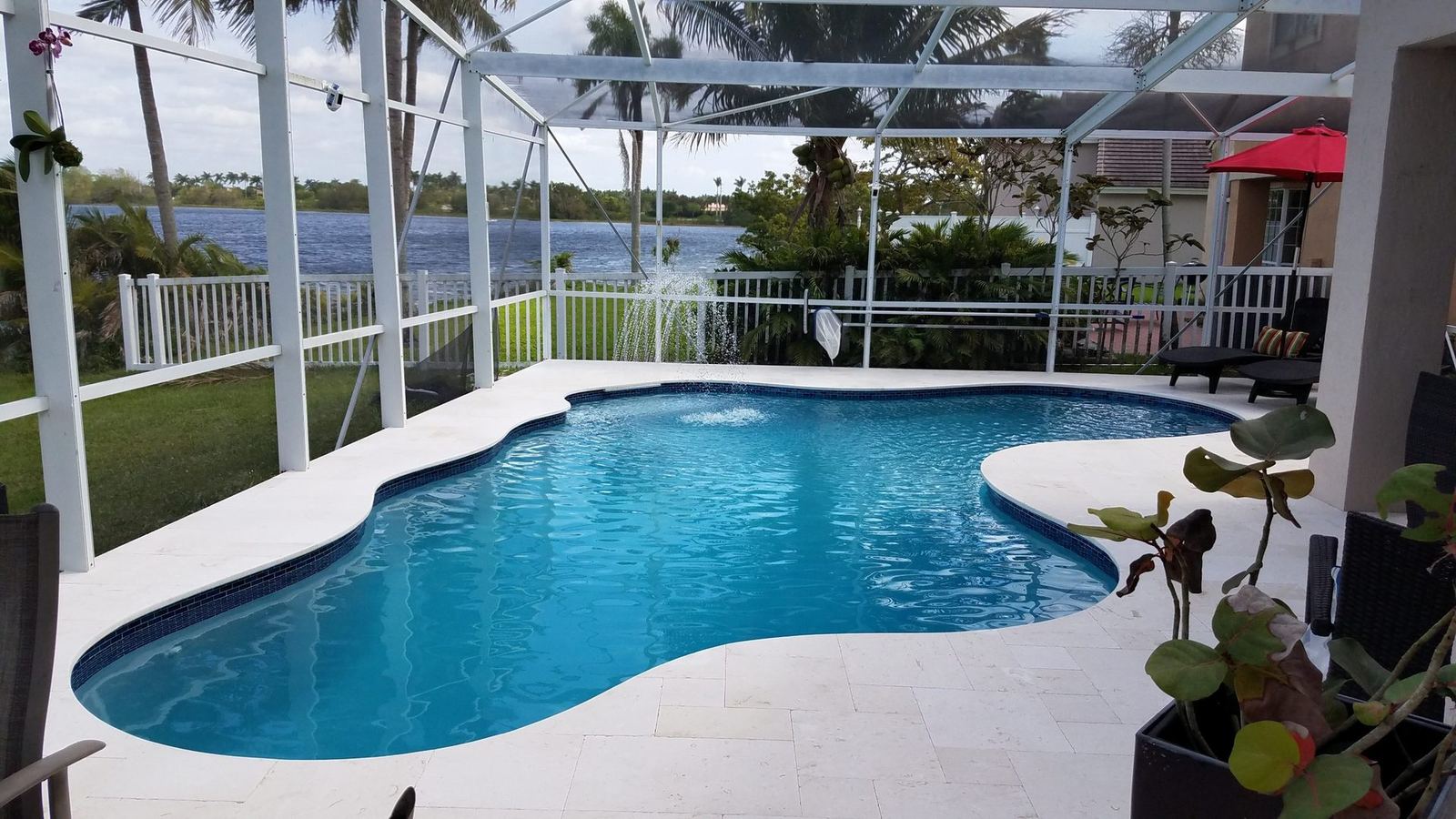
Curved, kidney-shaped pools dominated residential construction from the 1980s through early 2000s. While they were the height of style then, these organic shapes now clash with contemporary architecture and make your property feel stuck in the past. The flowing curves that once seemed luxurious now read as dated, especially when paired with modern homes featuring clean lines and angular design elements.
The Strategy Explained
Geometric edge redesigns transform your pool's footprint from curved to angular, creating the sharp, modern aesthetic that defines contemporary outdoor spaces. This doesn't necessarily mean demolishing your entire pool. Skilled contractors can often reconfigure the coping and deck edge to create straight lines and 90-degree corners, even if the underlying shell retains some curvature. The result is a pool that looks completely rebuilt while preserving much of the existing structure.
The most popular geometric approaches in South Florida include rectangular designs with rounded corners, L-shaped configurations that maximize space efficiency, and square spa-pool combinations that create distinct zones. These shapes complement the Mediterranean, modern, and transitional architectural styles prevalent in our region. They also make better use of available space, allowing for more usable deck area and cleaner sight lines from your home's interior.
Implementation Steps
1. Schedule a structural assessment to determine how much of your existing pool shell can be preserved while achieving the geometric design you want-this evaluation affects both feasibility and cost.
2. Work with your contractor to redesign the coping and beam, selecting modern materials like natural stone pavers or sleek concrete that enhance the angular aesthetic.
3. Plan the surrounding deck renovation simultaneously, since geometric pools require coordinated hardscape design to achieve the seamless, contemporary look you're after.
Pro Tips
Consider incorporating a perimeter overflow edge on at least one side of your newly geometric pool. This detail creates the illusion that water extends to the edge without visible coping, amplifying the modern aesthetic. It works particularly well on pools with views, making the water appear to merge with the horizon.
The Challenge It Solves
Traditional white plaster looks beautiful when first applied, but South Florida's intense UV exposure and warm water temperatures accelerate deterioration. Within a few years, that pristine surface develops stains, rough patches, and discoloration that no amount of chemical balancing can fix. The result is a pool that looks tired and uninviting, even when the water chemistry is perfect.
The Strategy Explained
Premium aggregate finishes replace standard plaster with surfaces that incorporate pebbles, glass beads, or crushed quartz. These materials create depth and texture while offering significantly better durability in Florida's challenging environment. Pebble finishes, for instance, expose small river stones within a cement matrix, creating a natural look that hides imperfections and resists staining. Glass bead finishes offer a smoother feel with reflective qualities that make water appear to shimmer. Quartz finishes provide a middle ground-smoother than pebble but more textured than traditional plaster.
Beyond aesthetics, these premium surfaces typically last 15-20 years compared to 7-10 years for traditional plaster, making them cost-effective over time. They also feel better underfoot, resist algae growth more effectively, and maintain their appearance with less aggressive chemical treatment. Color options range from natural earth tones that create a lagoon effect to deep blues and blacks that make water look impossibly clear.
Implementation Steps
1. Request physical samples of different finishes from your contractor and view them both dry and submerged in water, since colors change dramatically once wet.
2. Consider your pool's depth and lighting when selecting finish color-darker finishes make shallow areas appear deeper, while lighter finishes brighten pools that receive limited direct sunlight.
3. Schedule the resurfacing during South Florida's dry season (November through April) to ensure optimal curing conditions and avoid weather-related delays.
Pro Tips
If you're investing in a premium finish, upgrade your filtration system simultaneously. Better filtration prevents the fine particles that can become embedded in aggregate surfaces, keeping your new finish looking pristine. Many homeowners who skip this step regret it within the first year when staining becomes visible.
The Challenge It Solves
Older incandescent pool lights are energy hogs that generate more heat than illumination. They typically last only 2,000-5,000 hours, requiring frequent bulb replacements that involve draining your pool below the light fixture-a hassle in South Florida where you use your pool year-round. The single-color output also limits your design options, leaving you with the same boring underwater glow every night.
The Strategy Explained
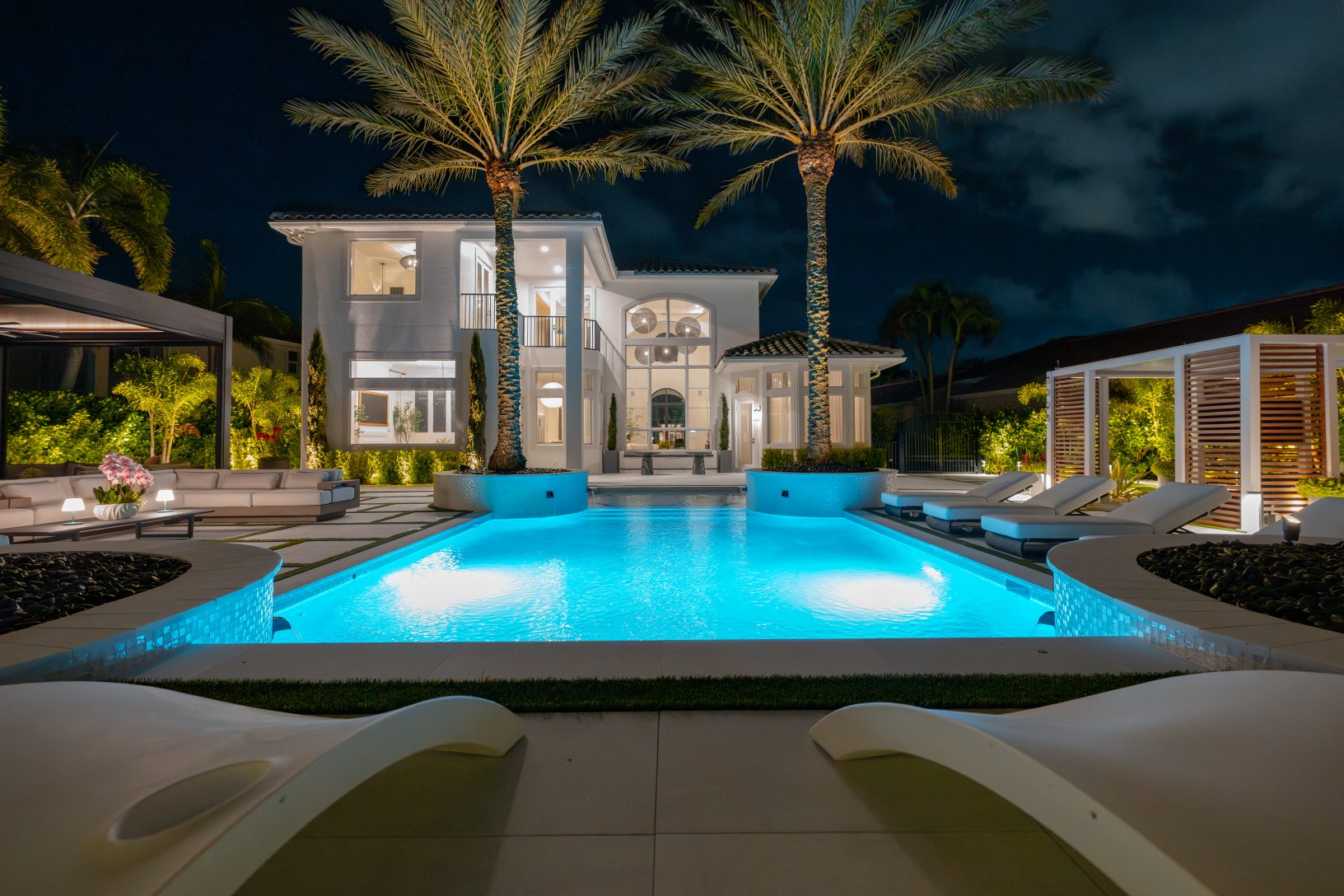
Modern LED pool lighting transforms your backyard into a dynamic entertainment space while slashing energy costs by 75-90% compared to incandescent fixtures. These systems offer color-changing capabilities you control via smartphone app or wall-mounted panel, letting you set different moods for different occasions. Hosting a party? Program vibrant color transitions. Prefer a relaxing evening swim? Select a soft white or calming blue.
LED fixtures last 30,000-50,000 hours-essentially a decade or more of typical use-and can be replaced without draining your pool. They generate minimal heat, which matters in South Florida where you're not trying to warm your pool water. Strategic placement creates dramatic effects: positioning lights to uplight water features, illuminate steps for safety, or highlight architectural elements of your pool design.
Implementation Steps
1. Plan for multiple light fixtures rather than relying on a single bright source-three to five strategically placed LEDs create better coverage and more interesting visual effects than one powerful fixture.
2. Install lights during a resurfacing project when the pool is already drained, avoiding the cost and complexity of cutting into an existing surface later.
3. Invest in a quality control system that integrates with your home automation platform, allowing you to program lighting scenes that activate automatically at sunset or coordinate with outdoor speakers for entertainment.
Pro Tips
Don't overlook landscape lighting around your pool deck. Coordinating underwater LED colors with surrounding landscape lights creates a cohesive nighttime aesthetic that makes your entire backyard feel professionally designed. Many LED systems now offer synchronized control of both pool and landscape lighting through a single interface.
The Challenge It Solves
A static pool of water, no matter how beautifully finished, lacks the dynamic visual interest that makes outdoor spaces feel alive. Traditional rock waterfalls often look artificial and dated, especially when they don't match your home's architectural style. You want movement and sound without the theme-park aesthetic that dominated pool design a generation ago.
The Strategy Explained
Modern water features emphasize clean lines and architectural integration rather than attempting to mimic natural formations. Sheer descents create thin, glass-like sheets of water that arc from your deck into the pool, producing a soothing sound without overwhelming noise. Deck jets shoot illuminated streams across the water's surface, creating playful arcs that kids love while adding visual interest for adults. Scuppers-rectangular spouts that protrude from walls or raised features-deliver water in precise, controlled flows that complement contemporary design.
Fire-and-water combinations represent the premium end of this category, with flame features positioned adjacent to or surrounded by water for dramatic contrast. These work particularly well in South Florida's evening climate, creating a focal point for outdoor entertaining that remains comfortable even on warm nights. The key is selecting features that enhance rather than dominate your pool design, with scale appropriate to your space.
Implementation Steps
1. Consider sight lines from inside your home when positioning water features-the best placements create visual interest from your living room, kitchen, or master bedroom, not just from the pool deck.
2. Integrate LED lighting within water features from the start, as retrofitting lights later is difficult and expensive-illuminated water streams create stunning nighttime effects that justify the upfront investment.
3. Account for sound levels when selecting features, especially if your pool is close to bedrooms or neighboring properties-some sheer descents and scuppers can be surprisingly loud at full flow.
Pro Tips
Install water features on dedicated circulation systems separate from your main pool pump. This allows you to run features only when you're using the pool or entertaining, rather than continuously, which saves energy and reduces wear on equipment. You'll also appreciate the ability to enjoy a quiet swim when you don't want the sound of running water.
The Challenge It Solves
Managing a pool shouldn't require a degree in chemistry or daily trips to your equipment pad. Traditional pool control systems force you to manually adjust pumps, set timers with cryptic interfaces, and guess at chemical levels until you test the water. The result is inconsistent water quality, wasted energy from pumps running longer than necessary, and the constant mental load of remembering what needs adjustment.
The Strategy Explained
Smart pool automation systems consolidate control of every pool function into a single smartphone app. From anywhere with internet access, you can adjust pump speeds, change water temperature, activate lighting scenes, and monitor chemical levels. These systems learn your usage patterns and can automatically optimize pump schedules to maintain water quality while minimizing energy consumption. Some integrate with weather forecasts, adjusting heating schedules when temperatures are expected to drop or increasing filtration before predicted storms.
The real value emerges over time as the system reduces the mental burden of pool ownership. Your pump automatically switches to low speed during off-peak electricity hours. Your heater activates two hours before your typical evening swim. Your chemical feeder adjusts dosing based on actual consumption rather than fixed schedules. The pool essentially manages itself, alerting you only when it needs attention you can't ignore.
Implementation Steps
1. Upgrade to variable-speed pump equipment before installing automation controls, since these pumps offer the programmability and efficiency that make automation worthwhile-single-speed pumps can't take advantage of smart scheduling.
2. Choose a system with open integration capabilities that works with major smart home platforms like Google Home or Amazon Alexa, avoiding proprietary ecosystems that limit future expansion.
3. Start with core functions (pump, heater, lights) and add advanced features like automated chemical monitoring later, spreading the investment across multiple budget cycles if needed.
Pro Tips
If you travel frequently or own a vacation home, automation systems with water level monitoring and leak detection provide invaluable peace of mind. These features alert you to problems before they become catastrophic, potentially saving thousands in water damage or equipment failure. Many South Florida homeowners find this alone justifies the automation investment.
The Challenge It Solves
Traditional pool designs force an all-or-nothing choice: you're either fully in the water or completely out of it. This limitation excludes young children who aren't ready for deep water, adults who want to cool off without committing to a full swim, and anyone who enjoys lounging in shallow water with a book or drink. The result is a pool that serves fewer purposes than it could, reducing how often your family actually uses it.
The Strategy Explained
A sun shelf-also called a Baja shelf or tanning ledge-creates a large, shallow platform typically 6-12 inches deep where you can place lounge chairs directly in the water. This addition transforms your pool into a multi-functional space that accommodates different activities simultaneously. Parents can supervise young children playing in the shallow area while older kids swim in the deep end. You can read a book while partially submerged, staying cool without the commitment of swimming laps.
In South Florida's climate, sun shelves offer particular advantages. The shallow water stays warmer than the main pool, extending comfortable swimming into cooler months. The platform provides a staging area for entering and exiting the pool without navigating steps, which many homeowners find more elegant and accessible. Design options range from simple rectangular platforms to curved, organic shapes that soften the pool's geometry. Some homeowners incorporate built-in umbrella sleeves or jets within the shelf for added functionality.
Implementation Steps
1. Position the sun shelf on the side of your pool that receives optimal sun exposure during your preferred swimming hours-typically the south or west side in South Florida for afternoon and evening warmth.
2. Plan for adequate depth (at least 9 inches) to accommodate standard pool lounge chairs without them sitting too high above the waterline, which looks awkward and defeats the purpose.
3. Consider adding a raised wall or beach entry approach to the sun shelf rather than a sudden drop-off, which creates a more natural transition and improves safety for young children.
Pro Tips
Install bubblers or laminar jets within your sun shelf surface to create gentle water movement and visual interest. These features prevent the shelf from feeling like a static platform and add a playful element that kids particularly enjoy. The sound of bubbling water also enhances the resort-like atmosphere you're creating.
The Challenge It Solves
The transition between your pool and surrounding deck often creates visual and functional problems. Traditional coping materials like brick or basic concrete pavers can look dated and don't coordinate with contemporary pool designs. Rough, heat-absorbing surfaces become uncomfortably hot under South Florida's intense sun, forcing family members to dash from shade to water. The disconnect between pool and patio makes your outdoor space feel fragmented rather than cohesive.
The Strategy Explained
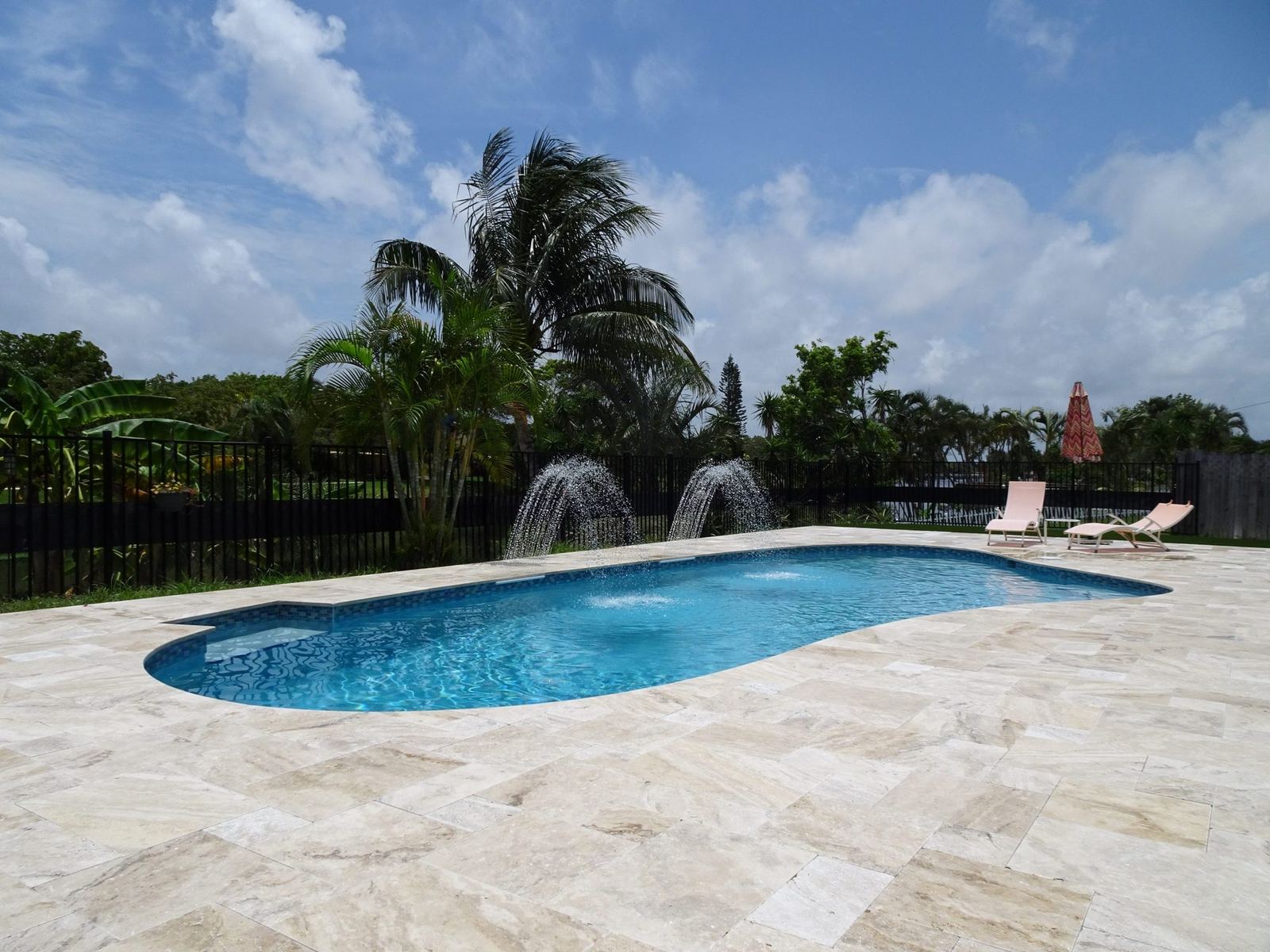
Modern deck transitions focus on creating seamless flow between pool and patio using materials that complement contemporary aesthetics while addressing Florida's climate challenges. Large-format pavers in neutral tones create clean sight lines that make spaces feel larger. Cool-deck technology and light-colored materials reflect rather than absorb heat, staying comfortable even during peak afternoon sun. The goal is eliminating visual and physical barriers so your pool area feels like a unified outdoor living space.
Material choices matter significantly in South Florida. Travertine pavers offer natural beauty with excellent heat reflection but require sealing to prevent staining. Porcelain pavers provide contemporary looks with minimal maintenance and stay remarkably cool underfoot. Textured concrete with integral color delivers affordability while allowing custom design. The best approaches extend the same material from pool coping through the entire deck and into covered patio areas, creating continuity that makes small yards feel more spacious.
Implementation Steps
1. Remove existing deck material completely rather than overlaying new pavers on old surfaces, which can create drainage problems and doesn't address underlying structural issues that cause cracking or settling.
2. Upgrade your deck's base preparation with proper compaction and drainage design-South Florida's afternoon thunderstorms demand deck systems that shed water quickly without creating standing puddles.
3. Coordinate deck renovation with pool resurfacing and equipment upgrades to minimize disruption and allow your contractor to create truly integrated design rather than working around existing constraints.
Pro Tips
Don't stop your deck material at the pool's edge. Extend the same pavers or finish into your covered patio, outdoor kitchen, and walkways throughout your backyard. This continuity is what separates professionally designed spaces from DIY projects. The unified material palette makes your entire outdoor area feel intentional and dramatically increases the perceived value of your property.
The Challenge It Solves
Older pool equipment was designed when energy costs were lower and efficiency wasn't a priority. Single-speed pumps run at full power regardless of actual needs, consuming electricity at rates that shock homeowners when they see their summer utility bills. Traditional gas heaters burn through fuel while struggling to maintain temperature in Florida's variable weather. Chlorine feeders require constant monitoring and frequent chemical purchases. The ongoing operational costs of an outdated pool system can easily exceed $200 monthly during peak season.
The Strategy Explained
Modern energy-efficient equipment reduces operating costs while improving performance through smarter engineering. Variable-speed pumps adjust motor speed to match actual filtration and circulation needs, typically reducing pump-related electricity consumption by 60-80%. Heat pumps extract warmth from ambient air rather than burning fuel, providing efficient heating even during South Florida's mild winters. Salt chlorine generators produce chlorine from dissolved salt, eliminating the need to purchase, store, and handle harsh chemicals while providing more consistent sanitation.
The Department of Energy now requires variable-speed pumps for new installations and replacements, recognizing their dramatic efficiency advantages. These pumps run at low speeds for routine filtration (which handles 90% of pool maintenance needs) and ramp up to high speed only when you're running water features or need rapid turnover. Heat pumps work best in climates like ours where air temperatures remain moderate, making them particularly well-suited for South Florida compared to northern regions. Salt systems require proper initial setup and monitoring to prevent corrosion, but most homeowners find the convenience and ongoing savings worth the learning curve.
Implementation Steps
1. Start with pump replacement since this delivers the largest immediate reduction in operating costs-a variable-speed pump typically pays for itself within 18-24 months through electricity savings alone.
2. Size your heat pump appropriately for your pool volume and typical usage patterns rather than over-sizing, which wastes money upfront without improving performance-your contractor should perform heat loss calculations specific to your pool.
3. Install a salt chlorine generator during a resurfacing project when you're already investing in the pool, since certain finish materials work better with salt systems than others and planning both simultaneously avoids compatibility issues.
Pro Tips
Many South Florida utility companies offer rebates for energy-efficient pool equipment, particularly variable-speed pumps. Check with your provider before purchasing to ensure you buy qualifying models and understand the rebate application process. These incentives can offset 10-20% of equipment costs, making the upgrade even more financially attractive.
Your Next Steps Toward a Modern Pool
The eight strategies we've explored represent different entry points into pool modernization, each delivering distinct benefits. Your priorities will depend on your budget, how you use your pool, and which aspects of your current setup frustrate you most. That said, certain sequences make more sense than others.
If your pool surface is deteriorating, start there. Resurfacing provides the foundation for other improvements and allows you to add lights, reconfigure edges, or install sun shelves while the pool is already drained. Homeowners who upgrade equipment or add water features first often regret not coordinating these projects with resurfacing, since accessing the pool shell later requires draining it again.
Energy-efficient equipment upgrades deliver ongoing savings that can fund other improvements over time. A variable-speed pump that cuts your electricity bill by $100 monthly generates $1,200 annually-money you can redirect toward lighting, automation, or deck renovation. This approach transforms pool modernization from a large one-time expense into a series of manageable projects that pay for themselves.
Smart automation makes the most sense after you've upgraded to variable-speed equipment and LED lighting, since these are the systems you'll control through your automation platform. Installing automation with old single-speed pumps and incandescent lights means you're automating inefficient equipment, which limits the value you'll receive.
The most important step is getting a professional assessment from a contractor who understands South Florida's specific challenges. Our climate, soil conditions, and building codes create unique considerations that generic advice doesn't address. An experienced local contractor can evaluate your existing pool's structure, identify which improvements deliver the best return on investment for your specific situation, and create a phased plan that fits your budget.
Pool remodeling represents a significant investment in your home and lifestyle. The difference between a successful project and one you regret often comes down to working with professionals who have completed hundreds of similar renovations in your area. They've solved the problems you haven't encountered yet and know which shortcuts to avoid.
Ready to explore what's possible for your pool? Learn more about our services and schedule a free consultation. We'll assess your current pool, discuss your goals, and provide a detailed plan for transforming your backyard into the modern outdoor retreat you've been imagining. With nearly four decades of experience serving South Florida homeowners, we understand exactly what it takes to bring older pools into the contemporary era while respecting your budget and timeline.
Get a free design consultation from our South Florida team.
Every project starts with understanding how you actually use your backyard. Whether that's Sunday swims, weeknight grilling, or a putting-green escape, we size the scope to your life.